
Into Echo Canyon: A Rough Ride Through Death Valley
Death Valley never feels welcoming.
That’s probably part of the reason we keep coming back.
This time, instead of stopping at the usual tourist viewpoints like Zabriskie Point or Dante’s View, we turned off the smooth highway near Furnace Creek and headed toward Echo Canyon — one of those remote corners of Death Valley National Park where paved roads disappear and adventure begins.
At first, we almost missed the turn.
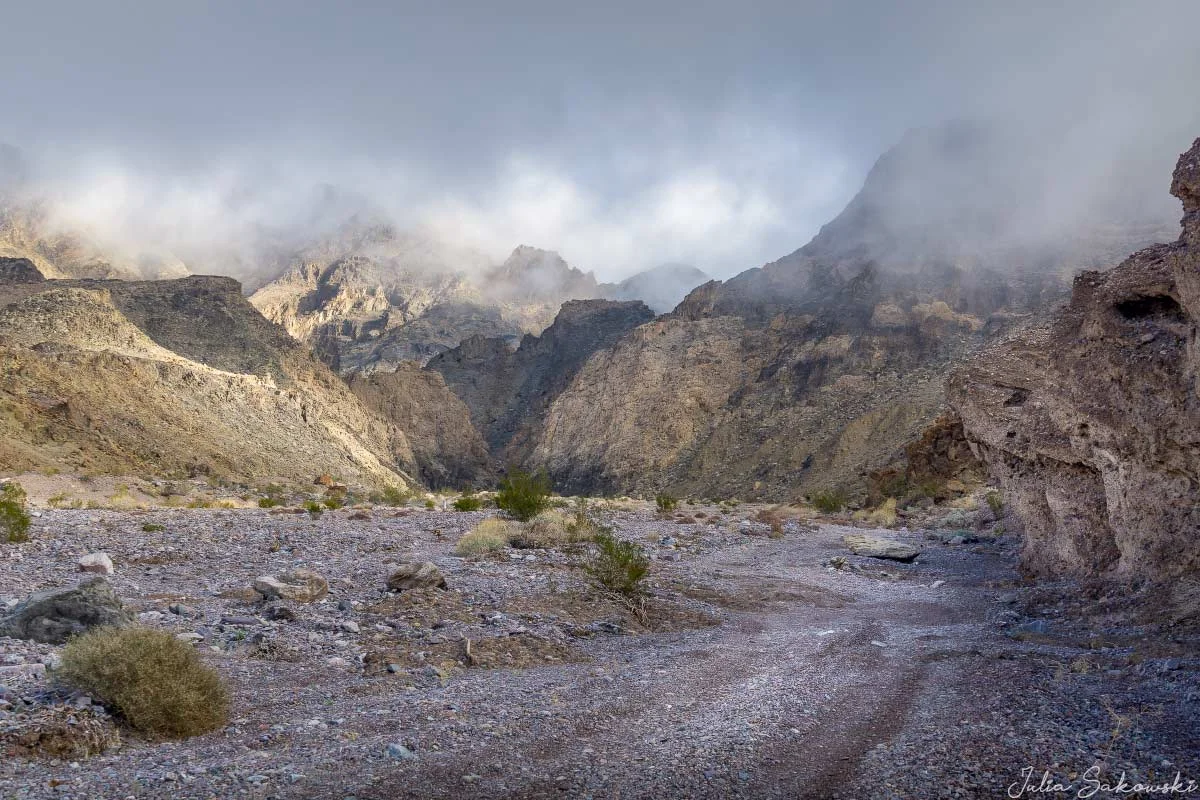
A tiny roadside sign with a jeep symbol pointed toward what looked less like a road and more like a dry riverbed covered in rocks. Naturally, we decided that was exactly where we needed to go.
The further we drove, the rougher the trail became.
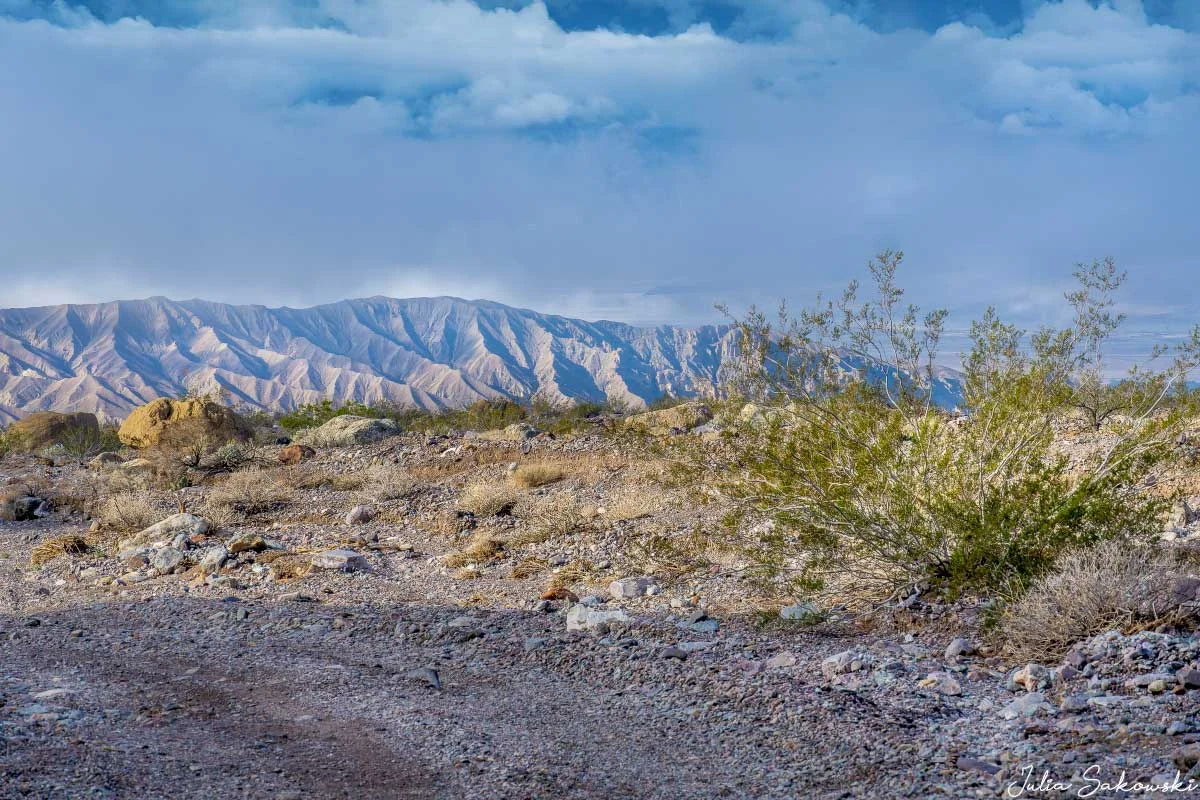
The jeep rattled, bounced, groaned, and scraped its way deeper into the canyon. Loose stones rolled under the tires. Sharp rocks waited everywhere, looking ready to puncture something expensive. Around us stretched a landscape that felt almost alien — scattered boulders, dry mountains, silence, and the pale salt flats of Badwater glowing in the distance.
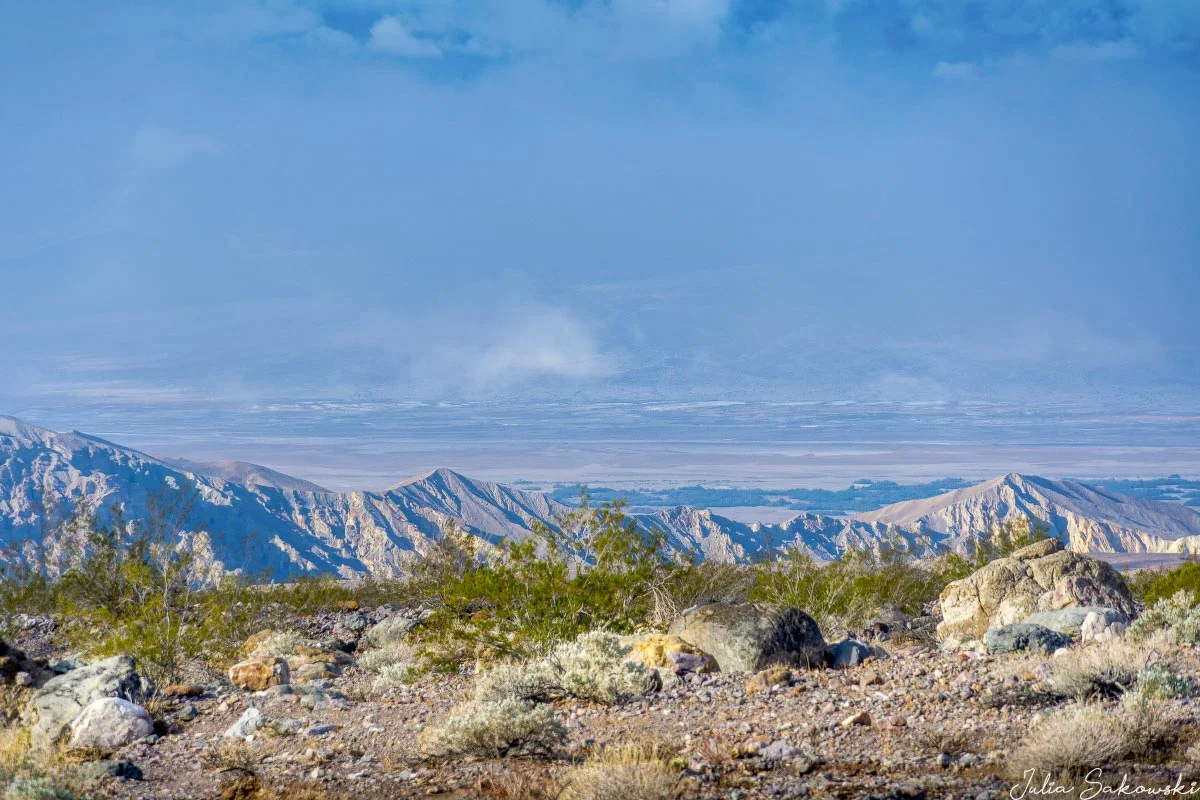
Death Valley has a strange effect on people.
The place feels enormous and completely indifferent to human existence. Standing there among the dunes, dry lake beds, and wind-carved mountains, you can’t help but feel small. This desert would probably kill anyone careless enough to underestimate it.
John Muir once wrote:
None of Nature’s landscapes are ugly so long as they are wild.
Death Valley proves that perfectly. Harsh, empty, and unforgiving — yet incredibly beautiful at the same time.
When we finally stopped near the entrance to Echo Canyon, Jack exploded out of the jeep the second the door cracked open. Our tiny black Schipperke had officially decided he’d had enough of off-road driving. Sitting inside a rolling metal maraca was clearly not part of his ideal vacation plan.
Jack prefers exploring on foot.
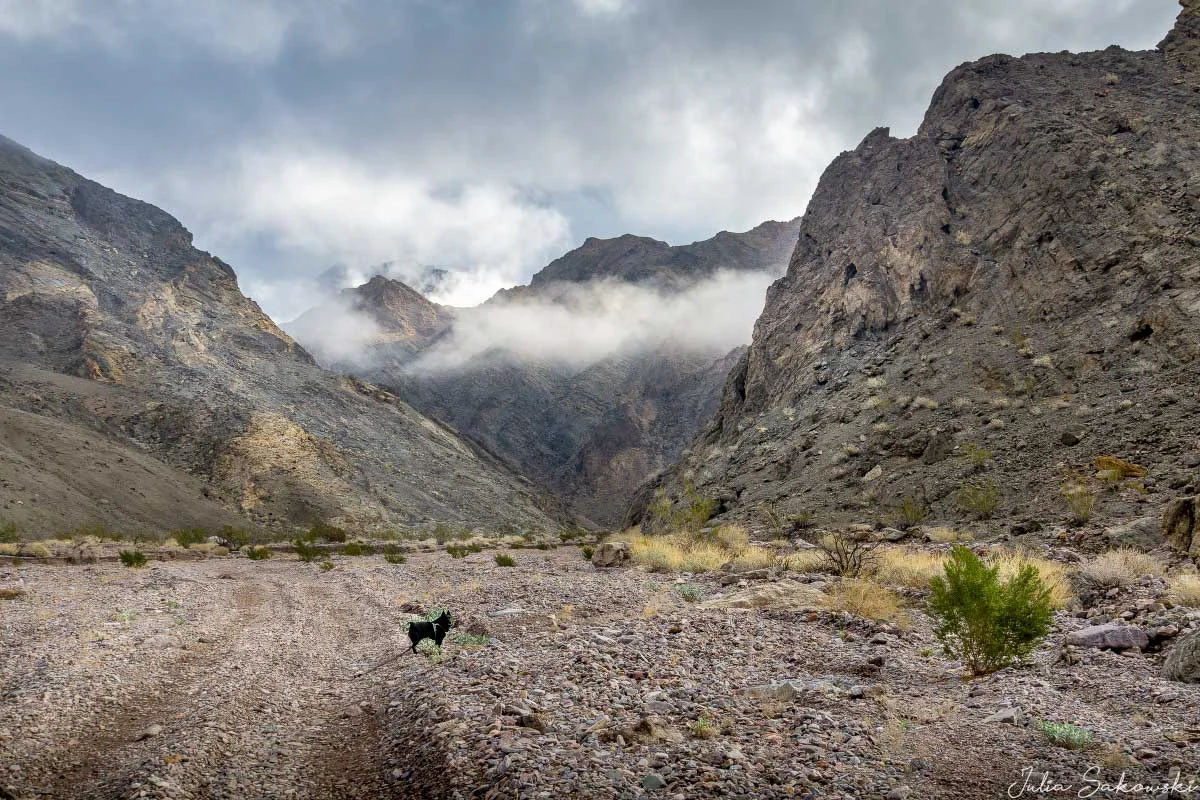
The wind was hot and dry, carrying the sharp, bitter smell of creosote bushes growing along the roadside. Maybe that’s what adventure smells like in the desert.
The road twisted deeper into the canyon like a snake.
Soon, the noise of civilization disappeared completely. Massive stone walls rose on both sides of us, sometimes squeezing so close to the jeep that they blocked out the sky. In other places, the canyon opened into wide valleys filled with boulders and dry washes.
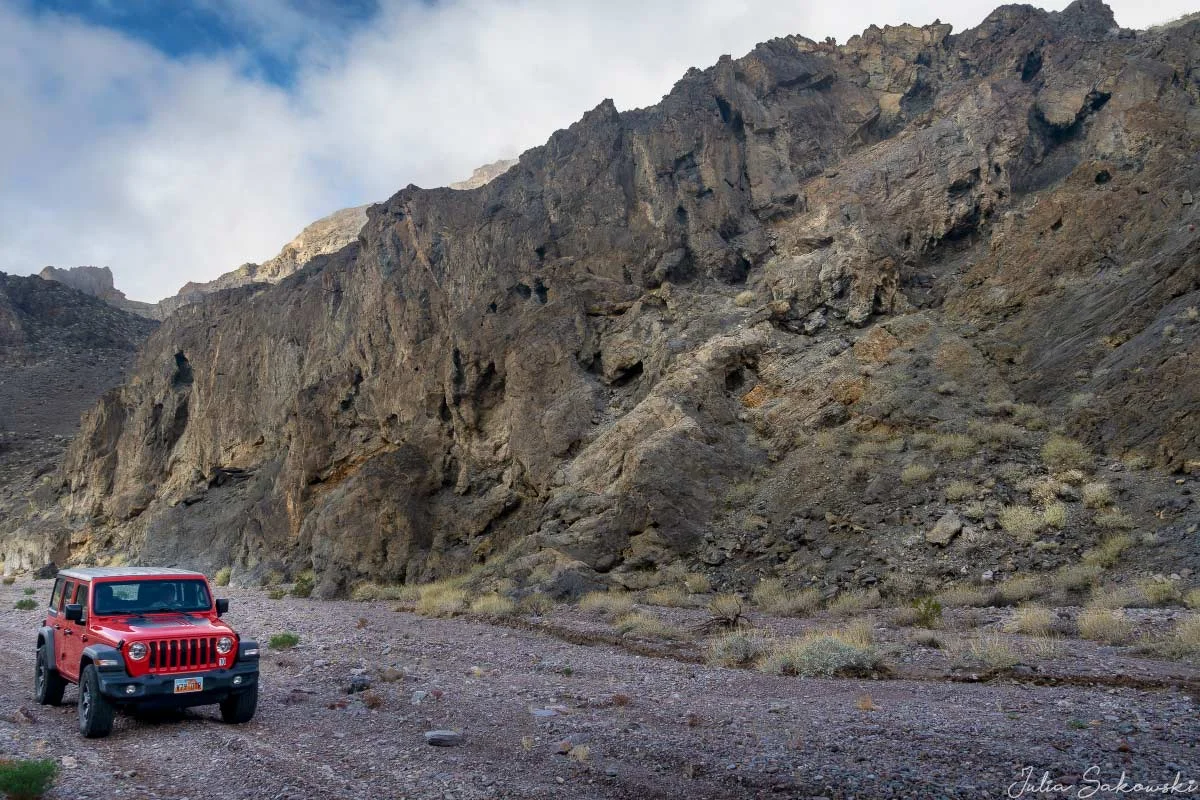
Occasionally, the road vanished entirely, and Alex had to guide the jeep through the rocky creek bed itself. Some of the stones looked sharp enough to slice a tire open just by staring at it.
Then suddenly, around one bend, we saw it.
A small opening high in the rock wall known as the “Eye of the Needle.”
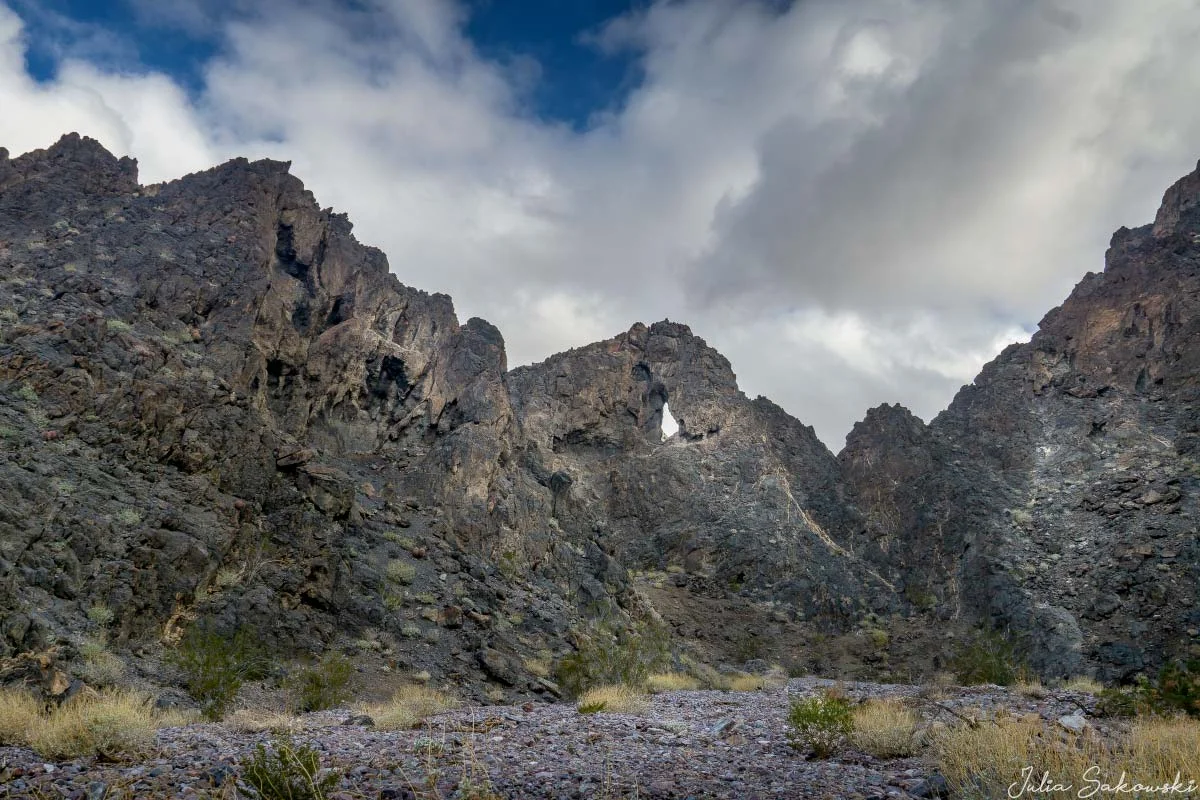
Nothing in Death Valley feels soft or delicate, but this tiny stone arch somehow did. We stopped there for a while, staring up at it.
And the silence out there is different.
Not empty.
Not peaceful.
Just… enormous.
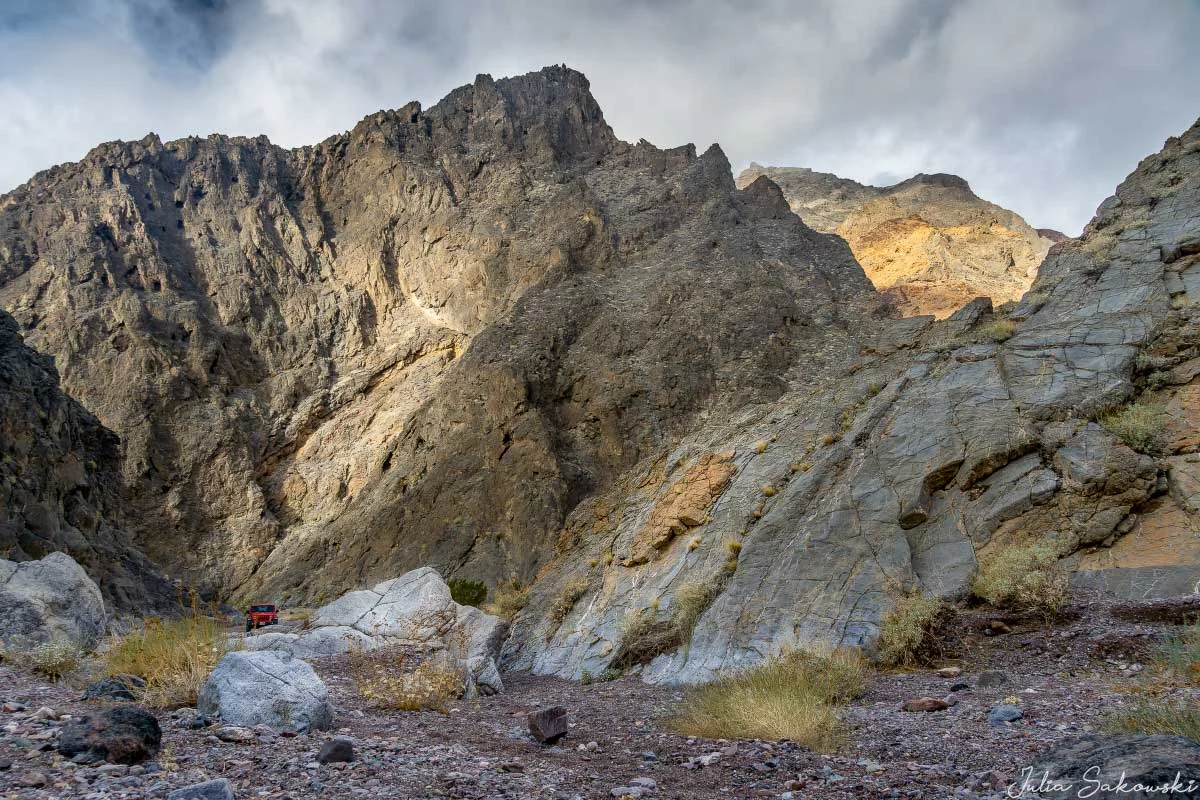
A little further ahead, the canyon widened into a broad valley. Sunlight finally broke through the heavy clouds overhead, spilling golden light across the cliffs. The dark canyon walls suddenly turned red, bronze, yellow, and black all at once.
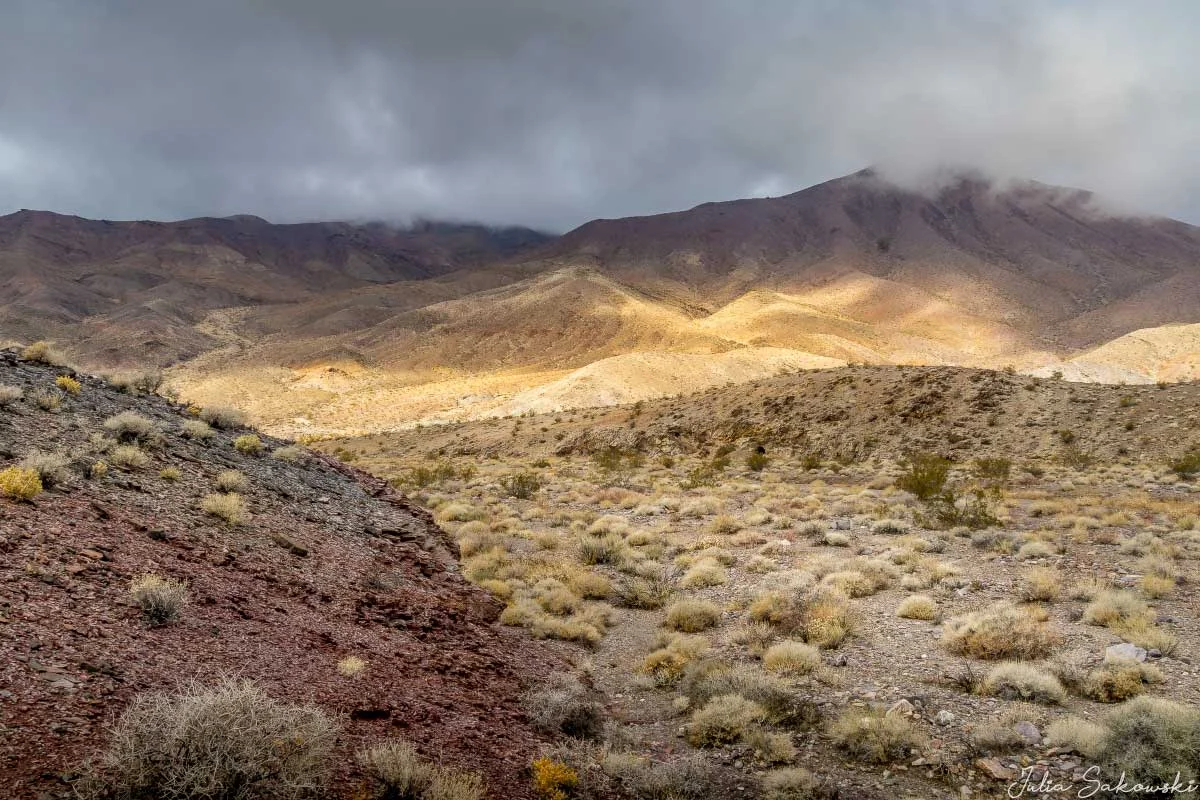
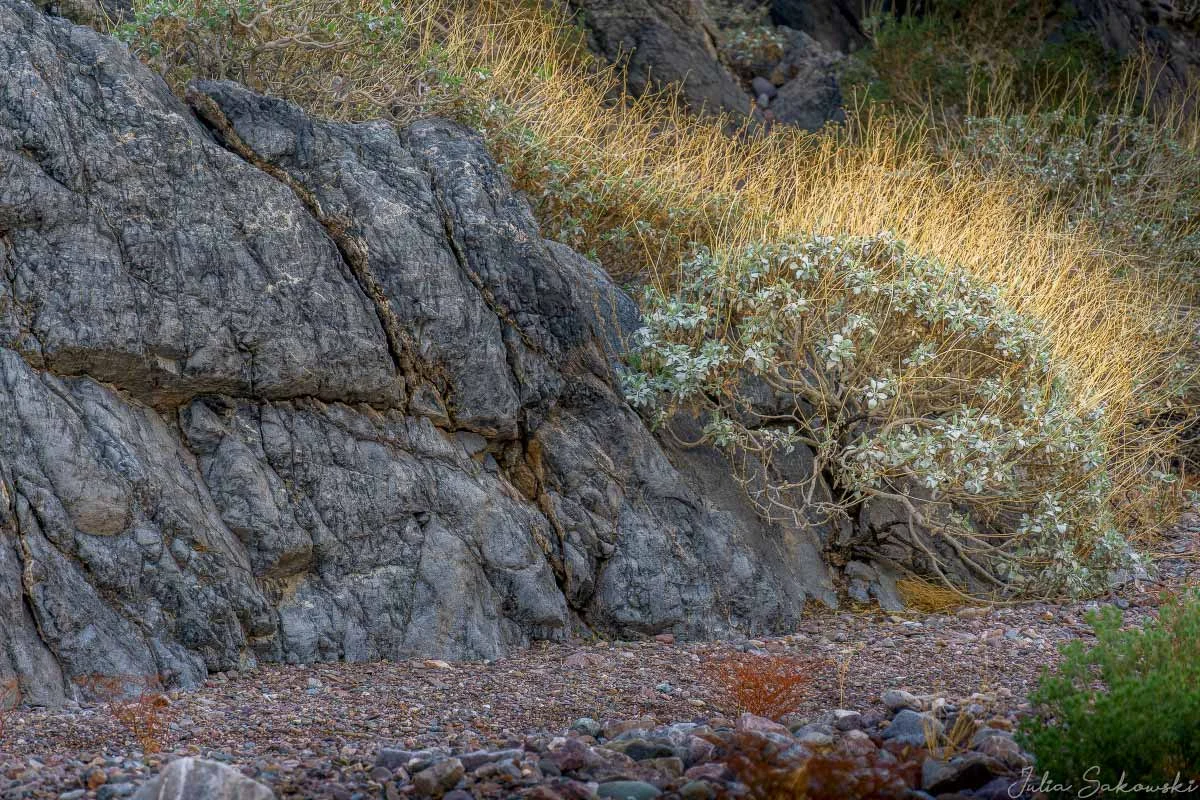
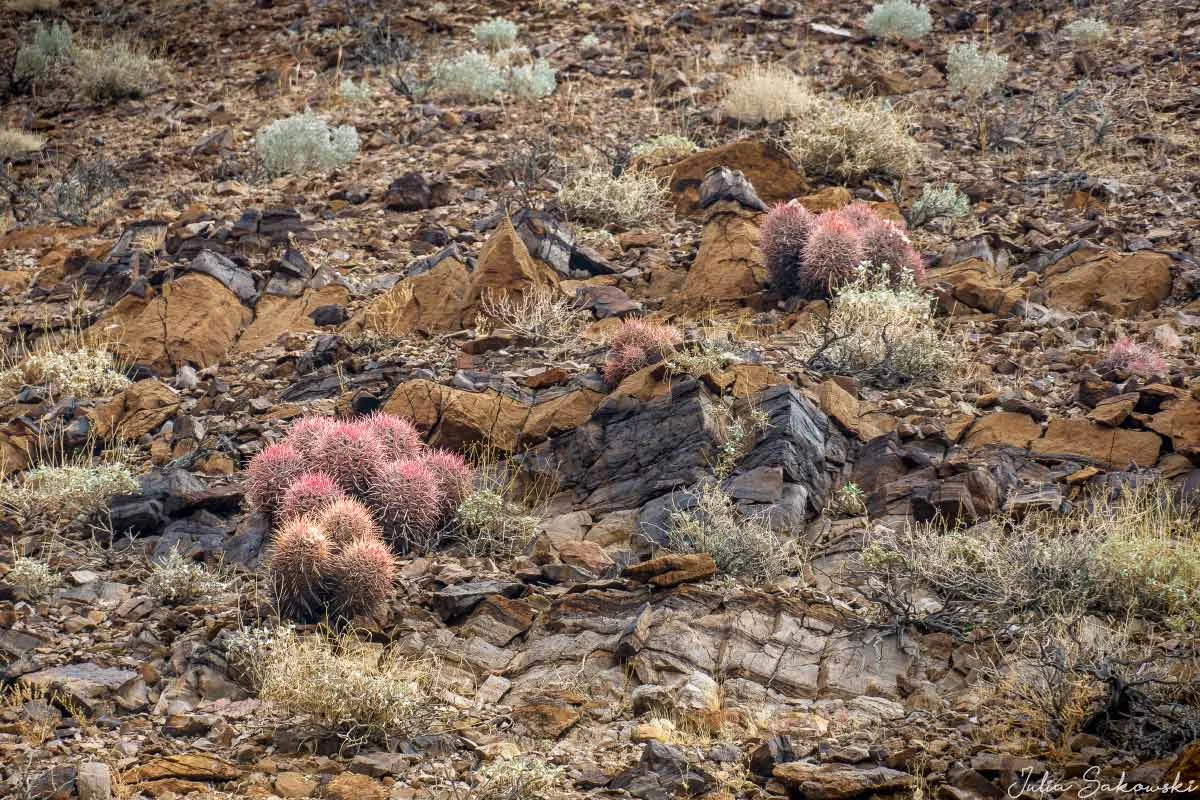
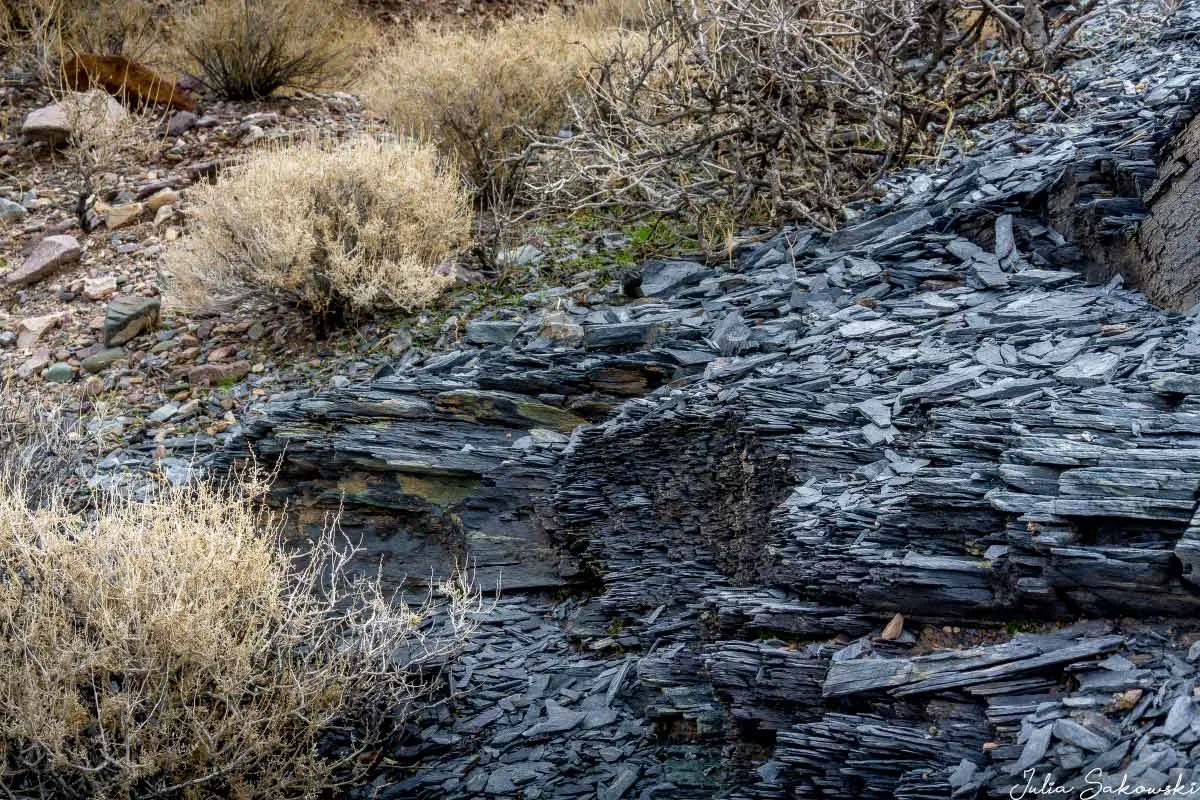
Some rocks looked sunburned and cracked with deep fractures. Others peeled into thin layers like dragon scales. Every turn revealed another texture, another color, another impossible shape carved by millions of years of wind and flash floods.
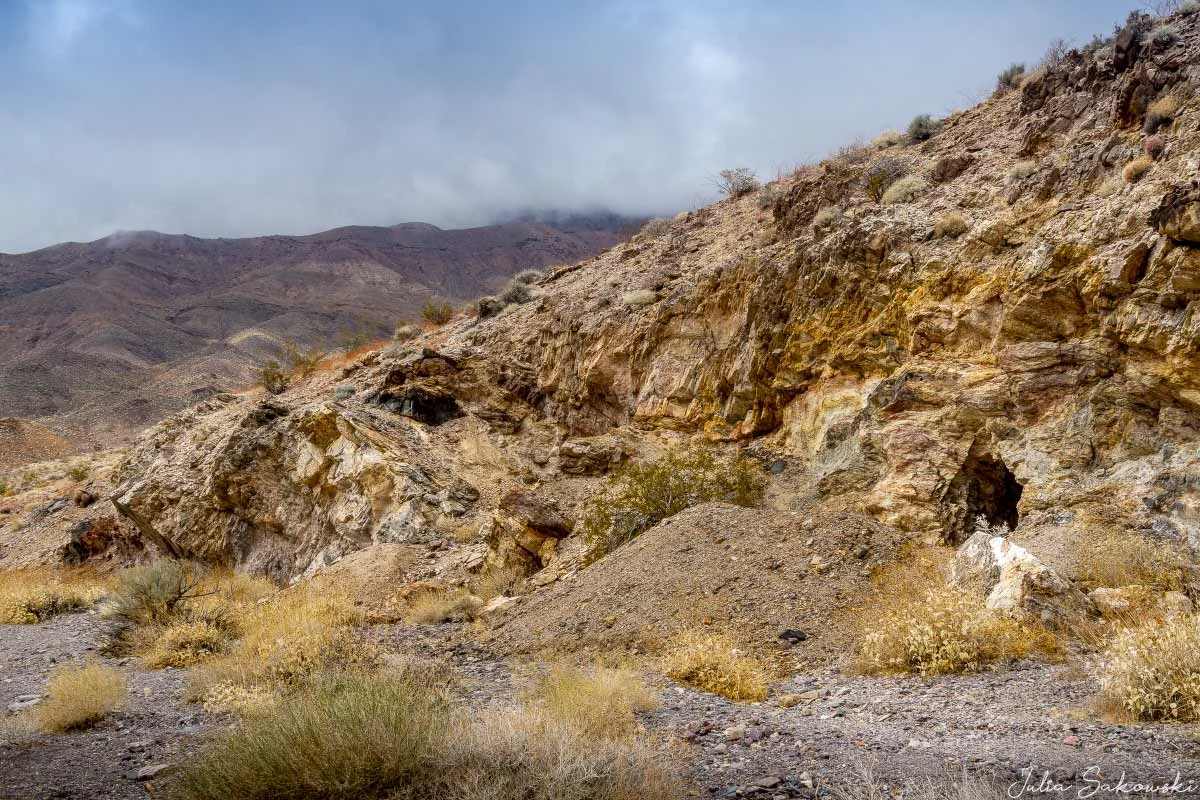
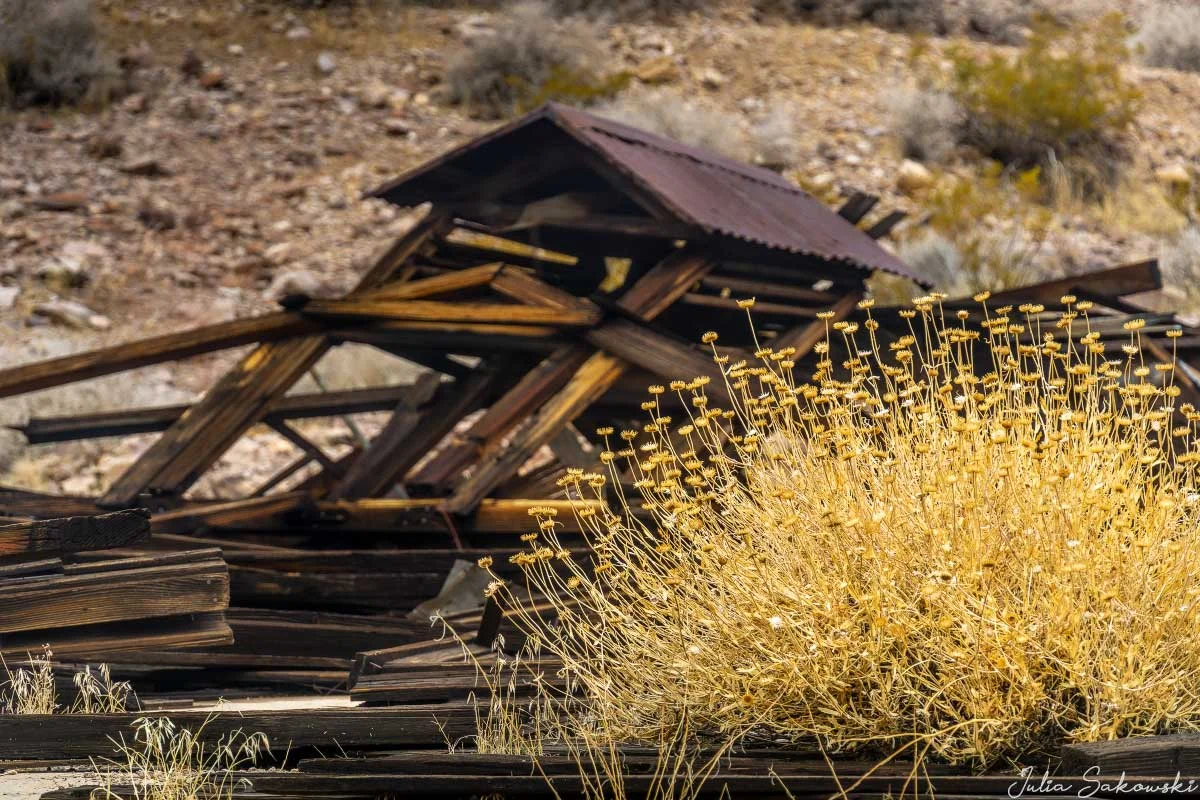
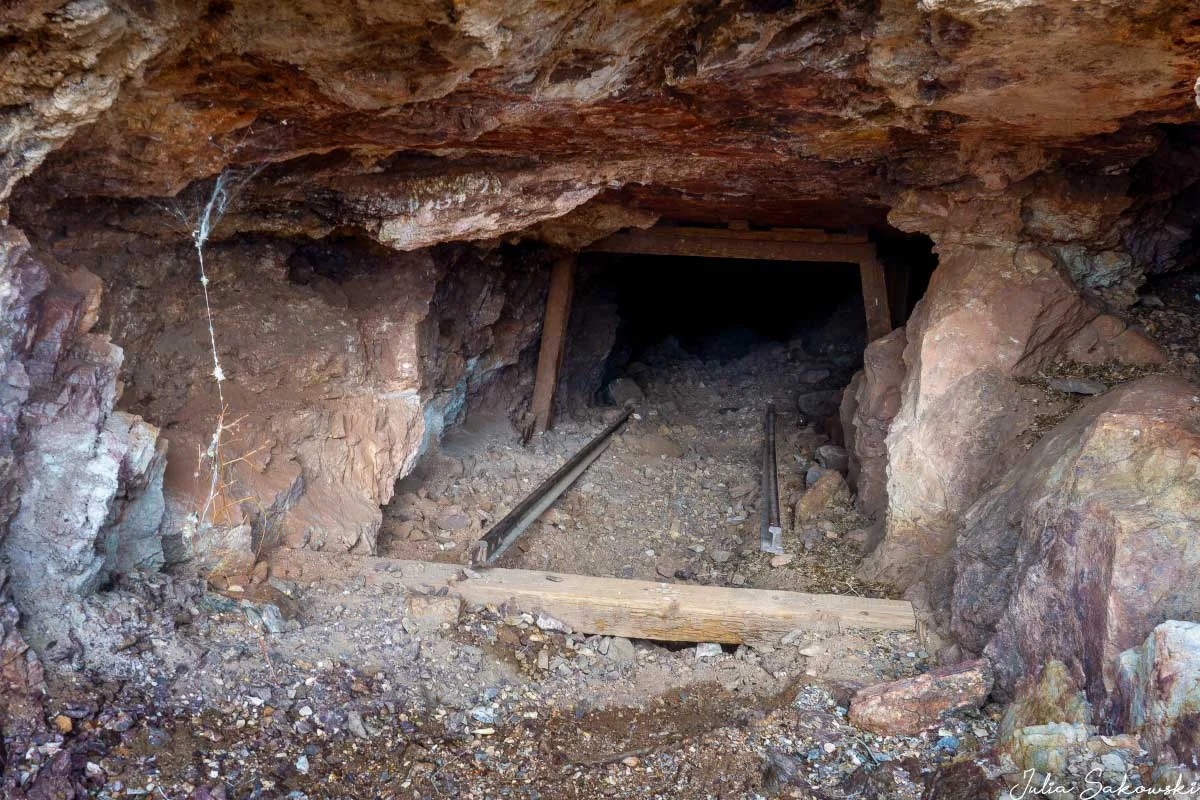
Eventually, we reached the remains of the old Inyo Mine.
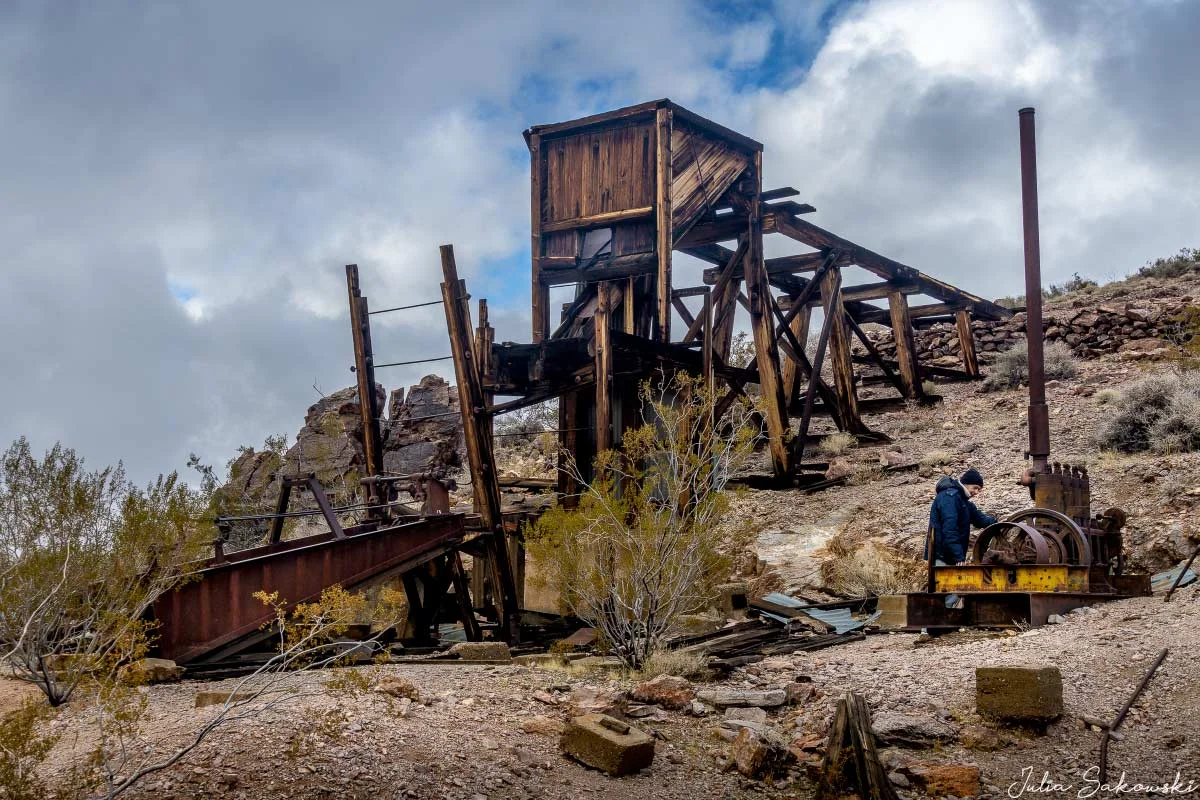
Back in 1905, miners discovered gold-bearing quartz here, and for a while the canyon supported a small mining settlement complete with workshops, boarding houses, and dreams of striking it rich. But like most mining towns in Death Valley, it didn’t last long. When the gold ran out, people disappeared, leaving behind rusted machinery, abandoned tunnels, and collapsing buildings slowly being reclaimed by the desert.
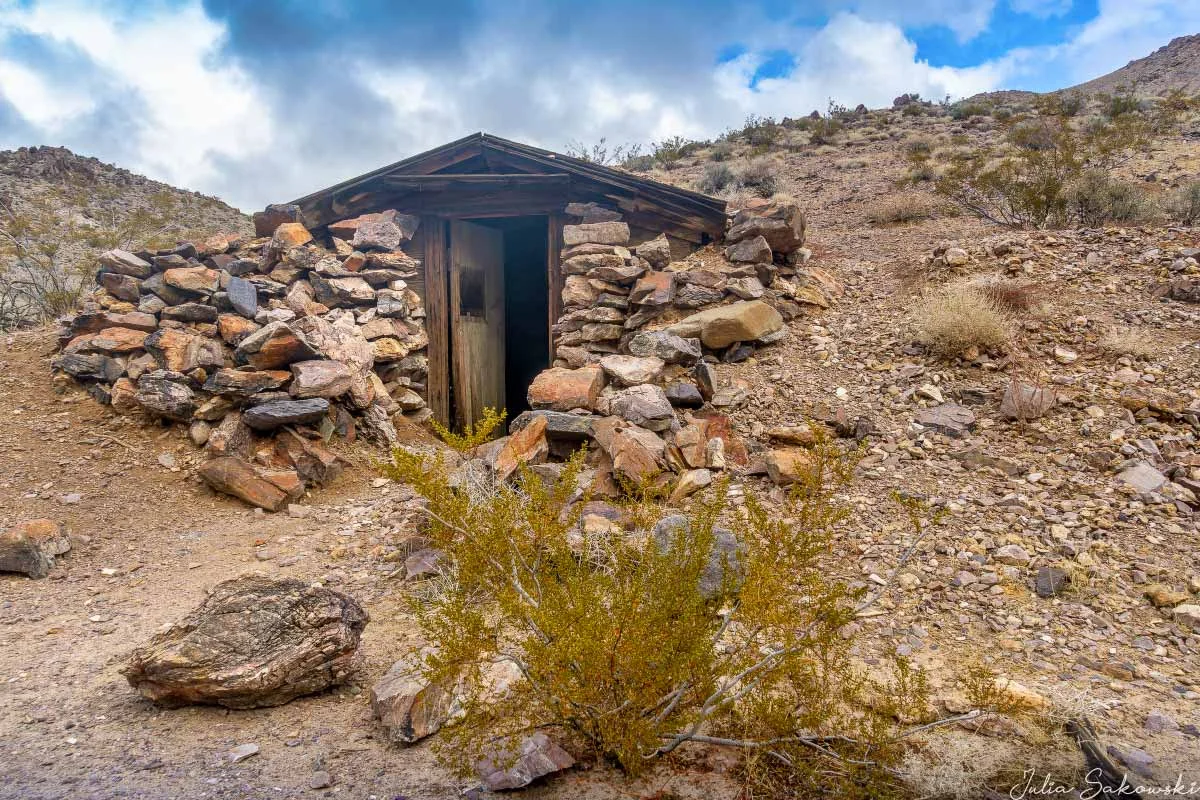
Standing there, I tried to imagine how noisy it once was — the clang of machinery, voices, the small daily chaos of a working mine. Now just silence and a few scattered remains. That's what I love about abandoned places. They remind you that nothing stays forever. Even the loudest human traces eventually fade back into the landscape.
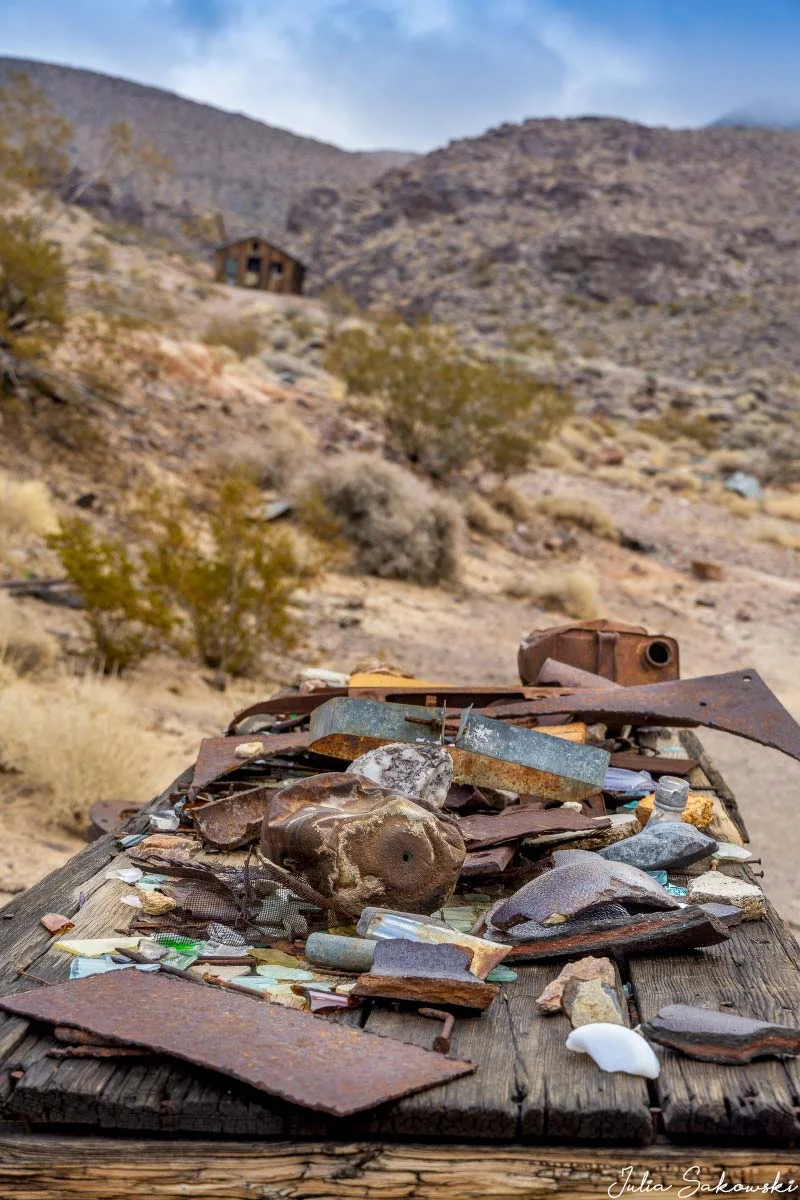
Ghost towns. Forgotten mines. Half-destroyed buildings standing in the middle of nowhere.
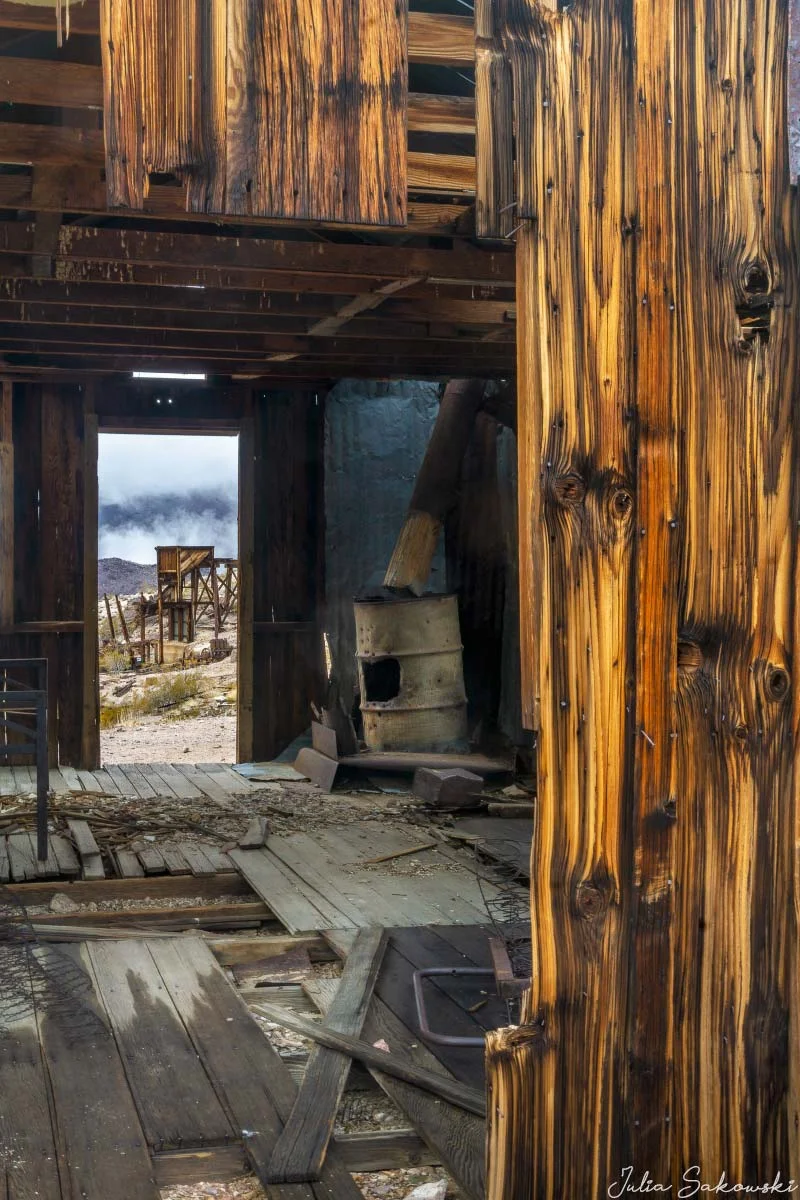
You walk through them and can almost hear echoes of old conversations carried by the wind — stories about hard work, luck, greed, hope, and survival in one of the harshest landscapes on Earth.
By the time we turned back, the clouds had dropped low over the mountains, wrapping the canyon in gray shadows.
The jeep crawled back through the rocks. Jack stayed safely outside whenever possible. And somewhere between the heat, the dust, and the rugged desert ridges, Echo Canyon left its mark.
Comments
Leave a comment