
Our Favorite Trips from the Last Ten Years
A decade, two cameras, one dog, and more calendars than we can count.
Looking back feels a little unreal. Thousands of miles on the road, cold mornings with cameras in hand, forgotten dirt roads, and countless moments where we simply stopped and thought: this is why we do this.
Every November, we'd sit on the couch, pull up the year's photos, and argue about which twelve deserved a spot in our annual calendar.
Just twelve.
We'd stare at the screen until our eyes crossed, endlessly debating whether this shot of a canyon was better than that one of a desert road.
We never fully agreed.
But every January, a new calendar with our photographs ends up on the wall.
These are the photographs, the trips, the places, and the moments we still talk about.
Chasing Light in the Desert
The American Southwest kept pulling us back, year after year. Death Valley, especially. There is something about its silence, its scale, and its complete indifference to visitors that makes it impossible to photograph badly and impossible to photograph well enough.
One New Year's, we drove out into the dark looking for Joshua trees. The plan was to shoot stars — the desert sky in January is extraordinary — but the cold was fierce and the stars kept disappearing behind thin clouds. We stopped beside one tree that looked particularly good, climbed out with cameras, tripods, lights, and a dog, poured hot tea from the thermos, stood there in the wind for a long time, and got a handful of stars over a silhouette. Not what we planned. Something quieter and more honest.
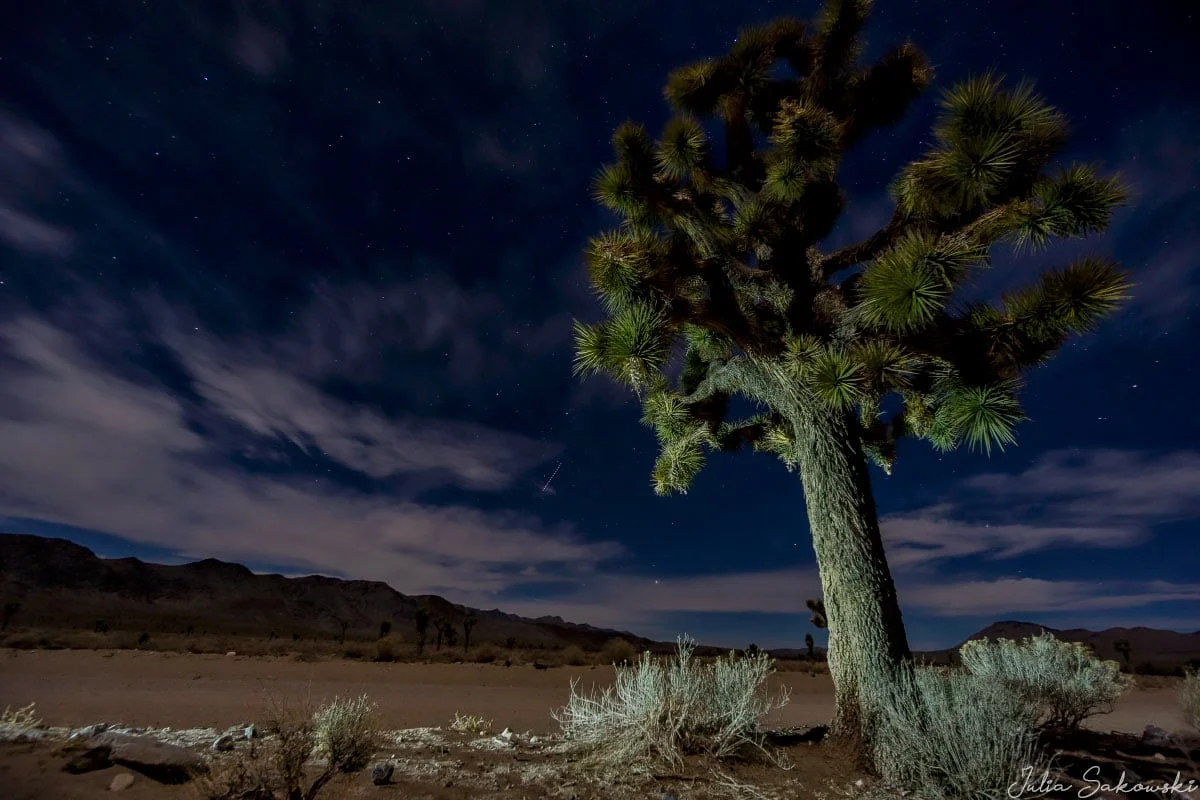
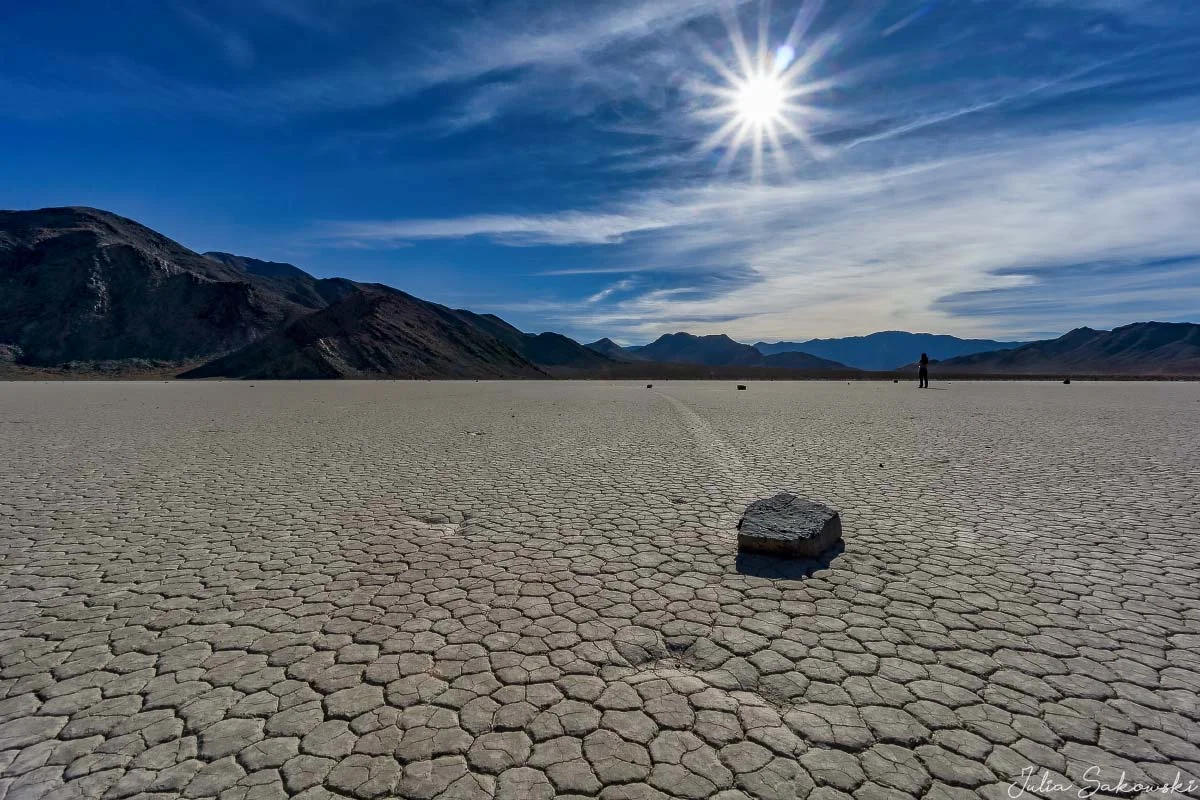
The off-road days were different — hot and sunny, windows down, dust everywhere. A long loop through Death Valley's backcountry: out before sunrise, up past Hunter Mountain through a hidden Joshua tree forest, down to Racetrack Playa, where sailing stones leave long mysterious tracks across a dry lake bed.
Arizona, Beyond the Canyon
Arizona never runs out of ideas. Every trip produced something we didn't expect — a mining town hanging off a hillside, a canyon buried in snow, a dog having the best day of his life on a pile of granite boulders.
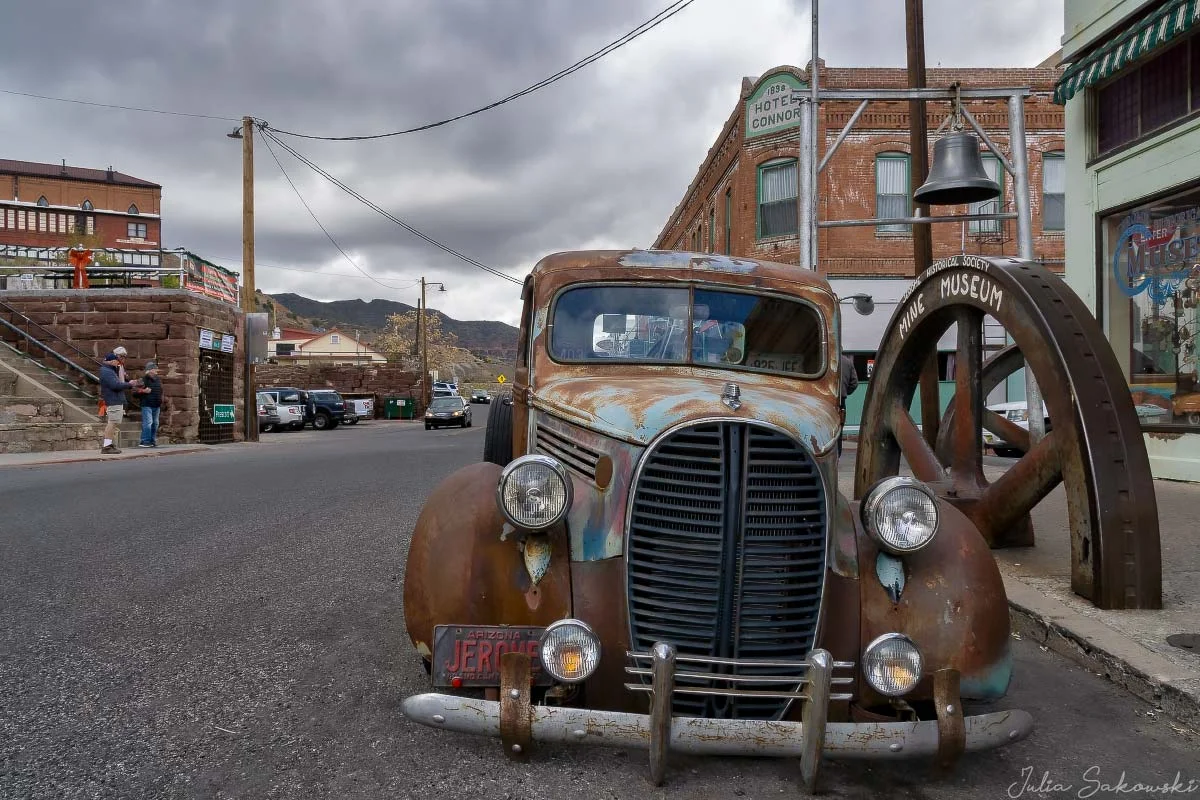
Jerome, Arizona, looks like a Christmas tree ornament that slid halfway down a hill and stayed there. Buildings hang off terraced streets that end unexpectedly in balconies overlooking the valley. It was a mining town once — copper, gold, silver — with fifteen thousand people at its peak. When the mines closed, it became a ghost town of five hundred, which turned out to be exactly the right size for wandering around with a camera.
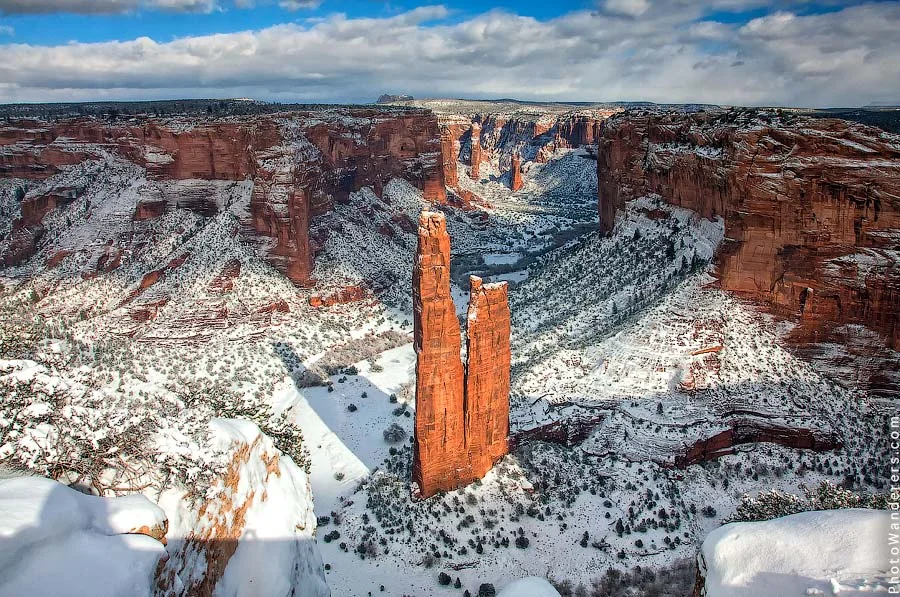
Canyon De Chelly in Arizona, we visited just after a snowstorm. The red canyon walls were draped in white, the path to the overlook was solid ice, and the wind was trying its best to knock us over the edge. We made it to the viewpoint by holding the railing with both hands and moving sideways, like crabs, and looked down at Spider Rock — an eight-hundred-foot sandstone spire rising from the canyon floor — and agreed it was worth it.
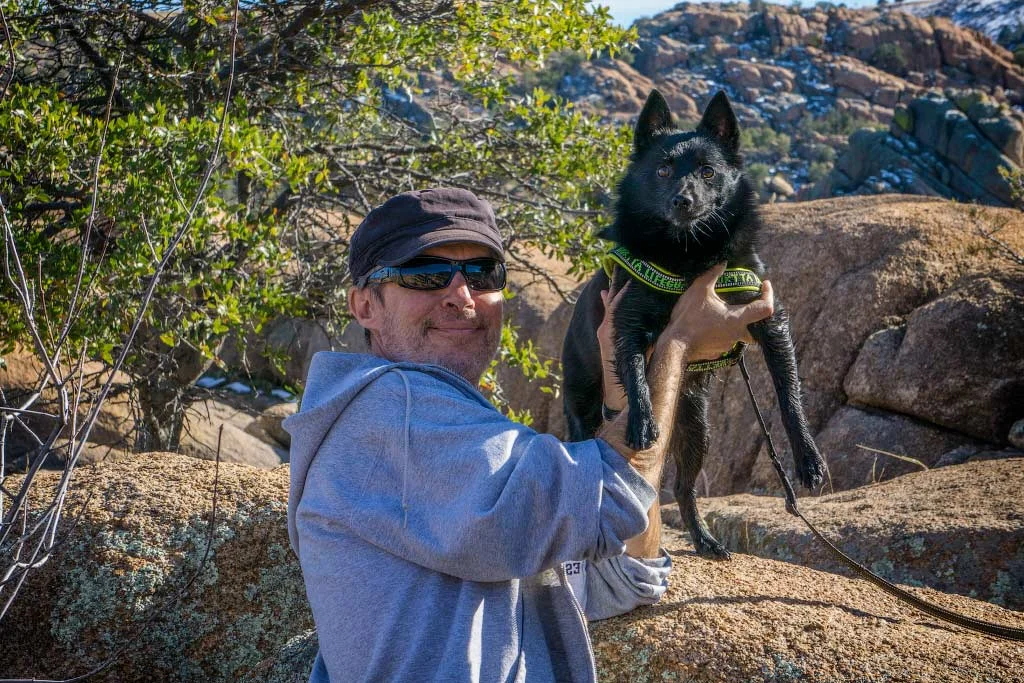
Watson Lake in Prescott, Arizona, was something different — smooth granite boulders stacked around a quiet reservoir, the kind of landscape that looks sculpted. Jack, our dog, treated every rock like a personal challenge, scrambling up and over things that required considerably more effort from the humans watching. Some of our favorite photographs from that trip don't have any landscape in them at all.
National Parks and Wild Landscapes
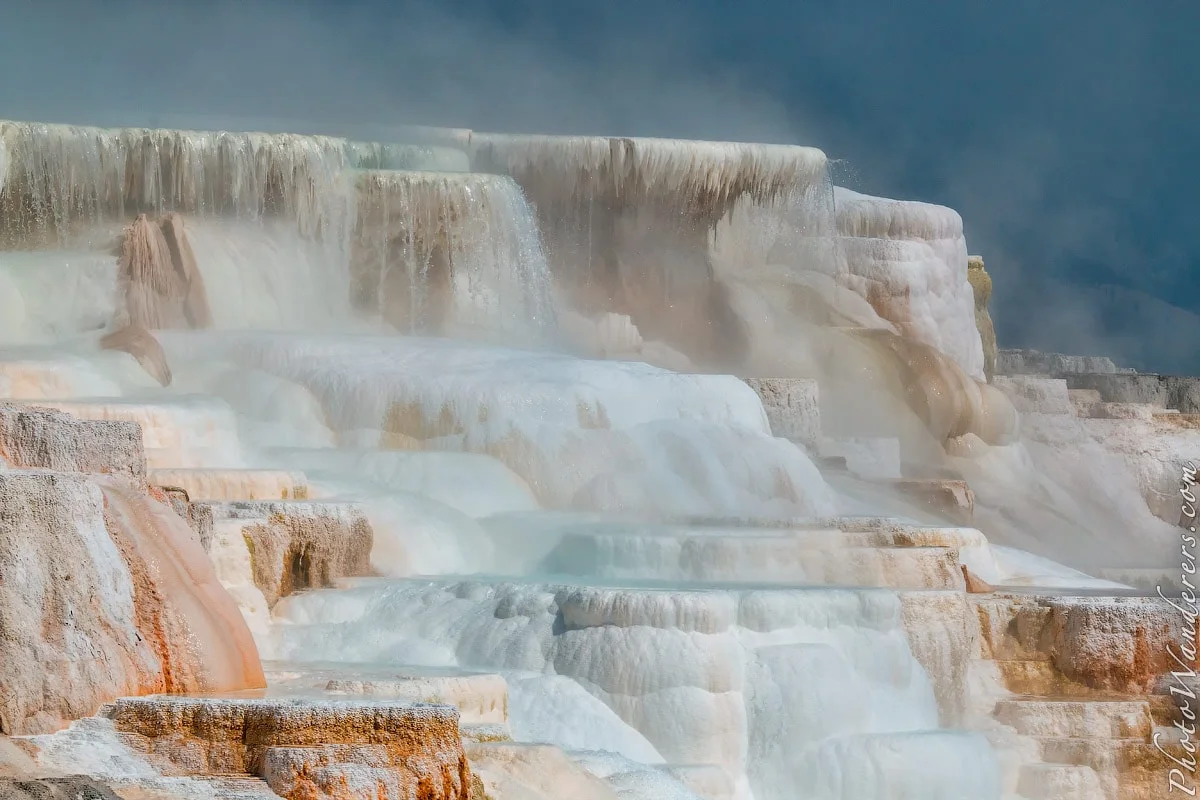
Yellowstone was genuinely unlike anything else. Steam rising from geothermal pools at sunrise. Waterfalls in every direction.
Bison standing in the middle of the road with complete authority, in no hurry, going nowhere in particular.
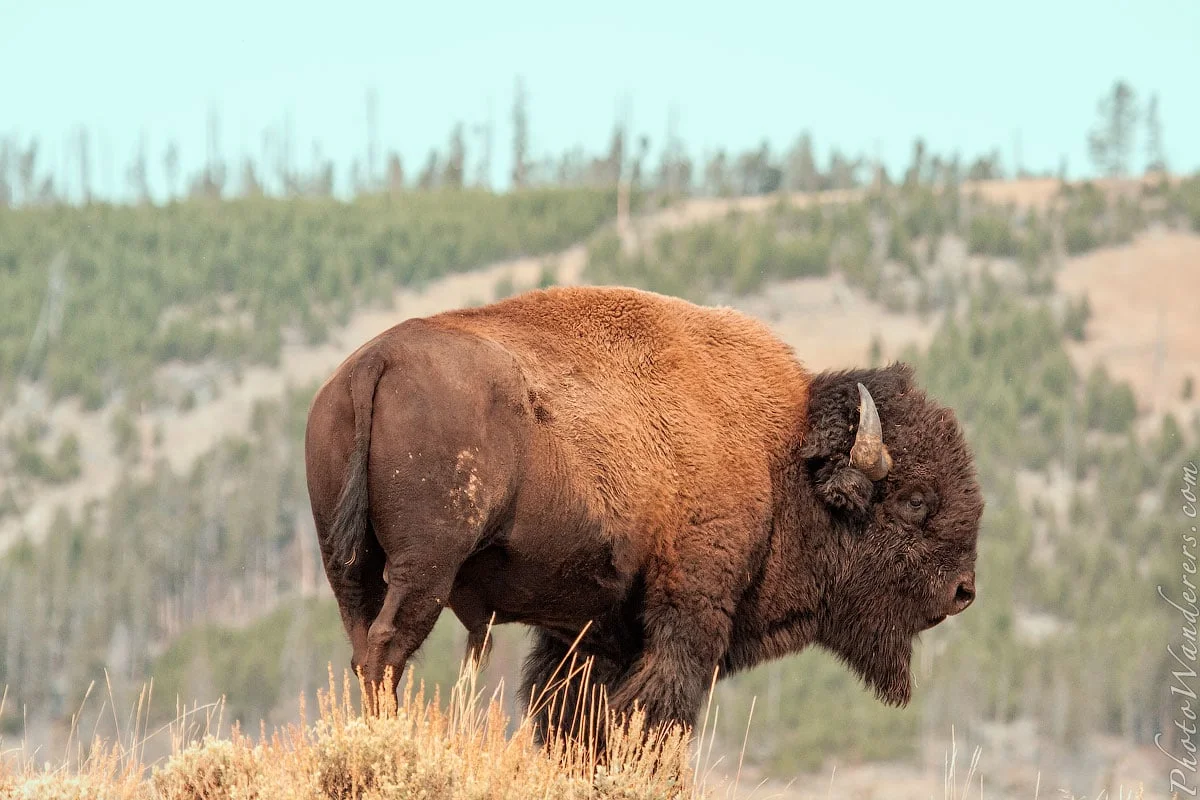
The landscape changed constantly — we drove through it for days and never saw the same thing twice.
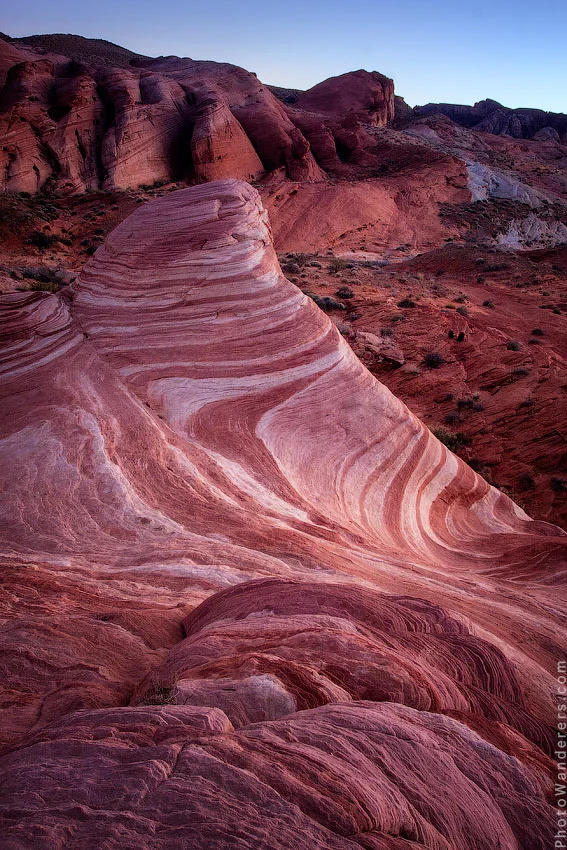
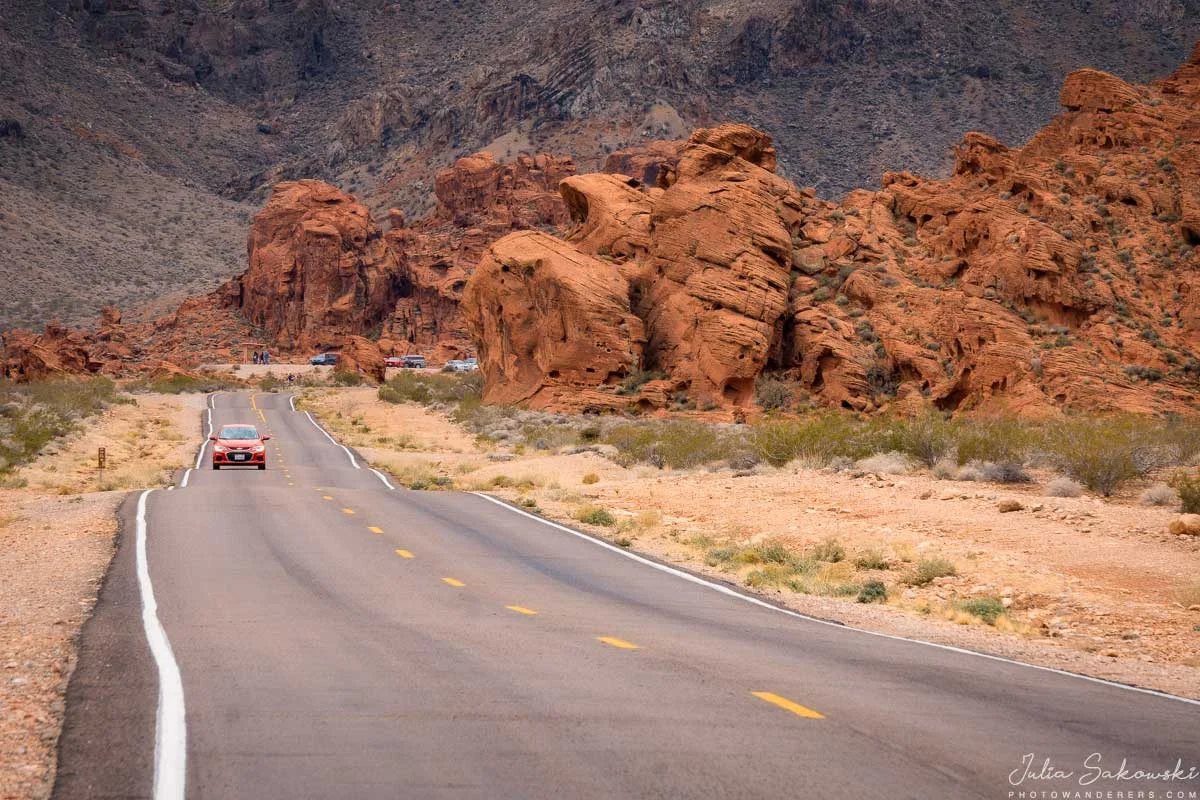
The Valley of Fire in Nevada showed us what a desert looks like after a serious rainstorm. The red sandstone, already saturated in color, turned almost surreal — bright, wet, impossible. We sat in the car and watched it through the windshield for a long time before getting out.
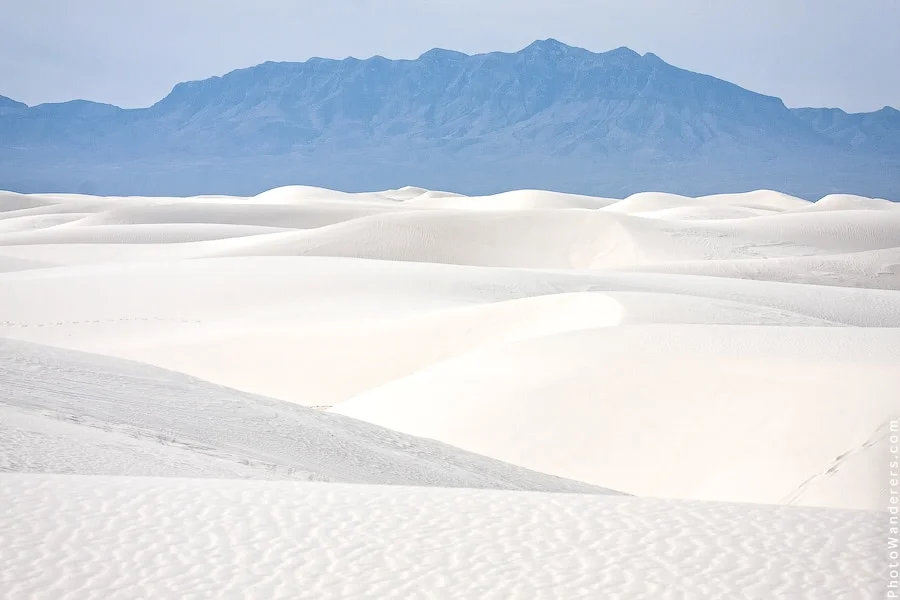
White Sands in New Mexico is not snow. It's gypsum — fine, white, almost weightless — and in winter it's as cold as the real thing. The dunes stretch to a pale blue mountain range on the horizon, and the light in the middle of the day is so bright and flat it's nearly impossible to photograph. Early morning or late afternoon only. We've been there twice and still feel like we haven't figured it out.
Too Much to See
England, Spain, and Italy have a particular problem: you've already seen them before you arrive. Downton Abbey gave you the countryside.
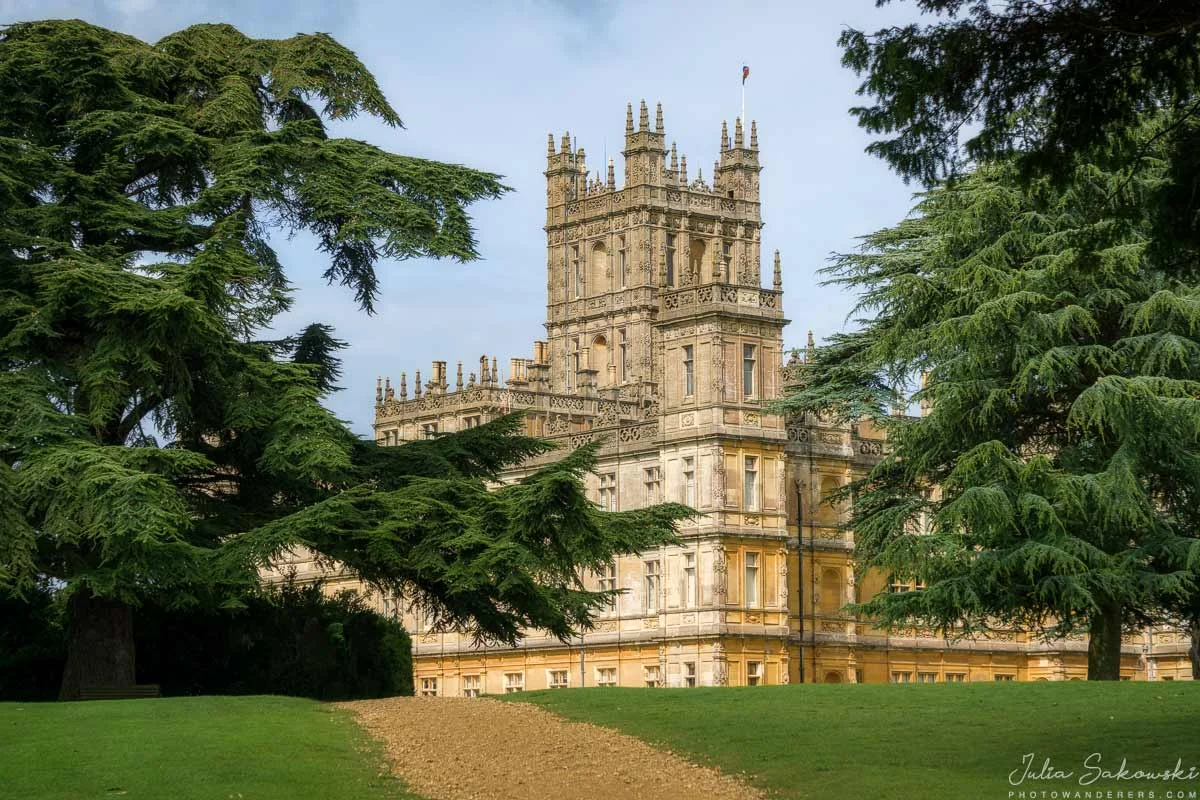
Every travel magazine gave you Seville in golden hour. You land with a mental checklist assembled from years of books, films, and other people's photographs, and ten days to get through all of it.
We tried.
We did the cathedrals, the palaces, the famous squares, and the towers with a view.
We moved fast and saw a lot and came home slightly exhausted, already planning what we'd missed.
The things we actually remember are smaller.
A quiet pub in a village we stopped in because we needed petrol.
A café in Granada where we sat for two hours because nobody seemed to be in any hurry to move.
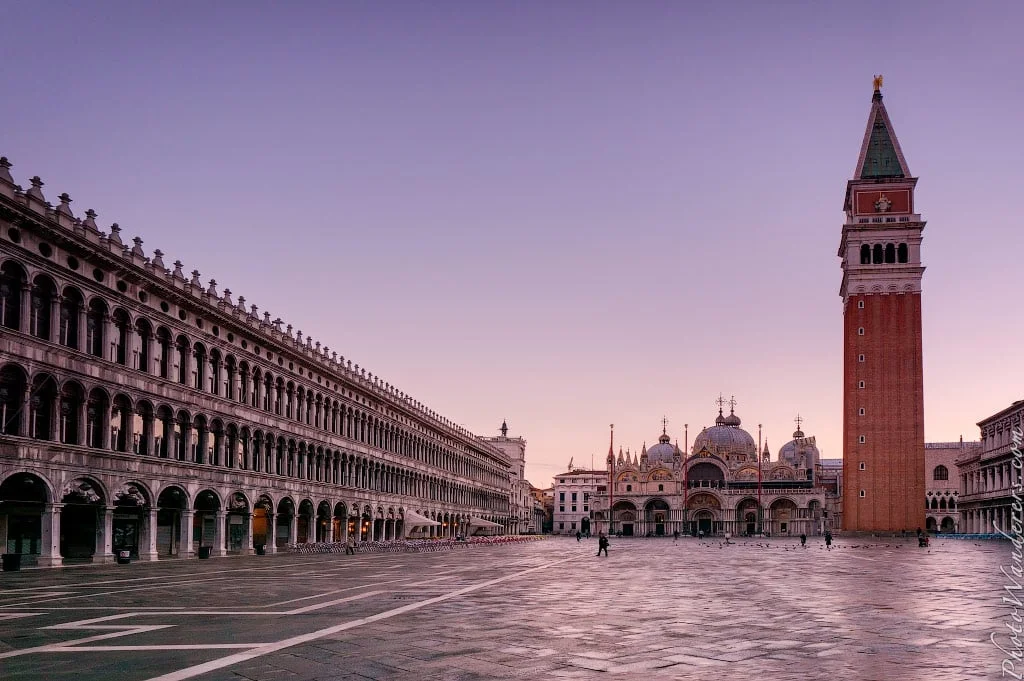
Sunrise on Piazza San Marco with almost no one around — after years of seeing it packed in every photograph, the emptiness was the surprise.
What Photography Taught Us About Travel
Somewhere along the way, we figured out what kind of photographers we actually are.
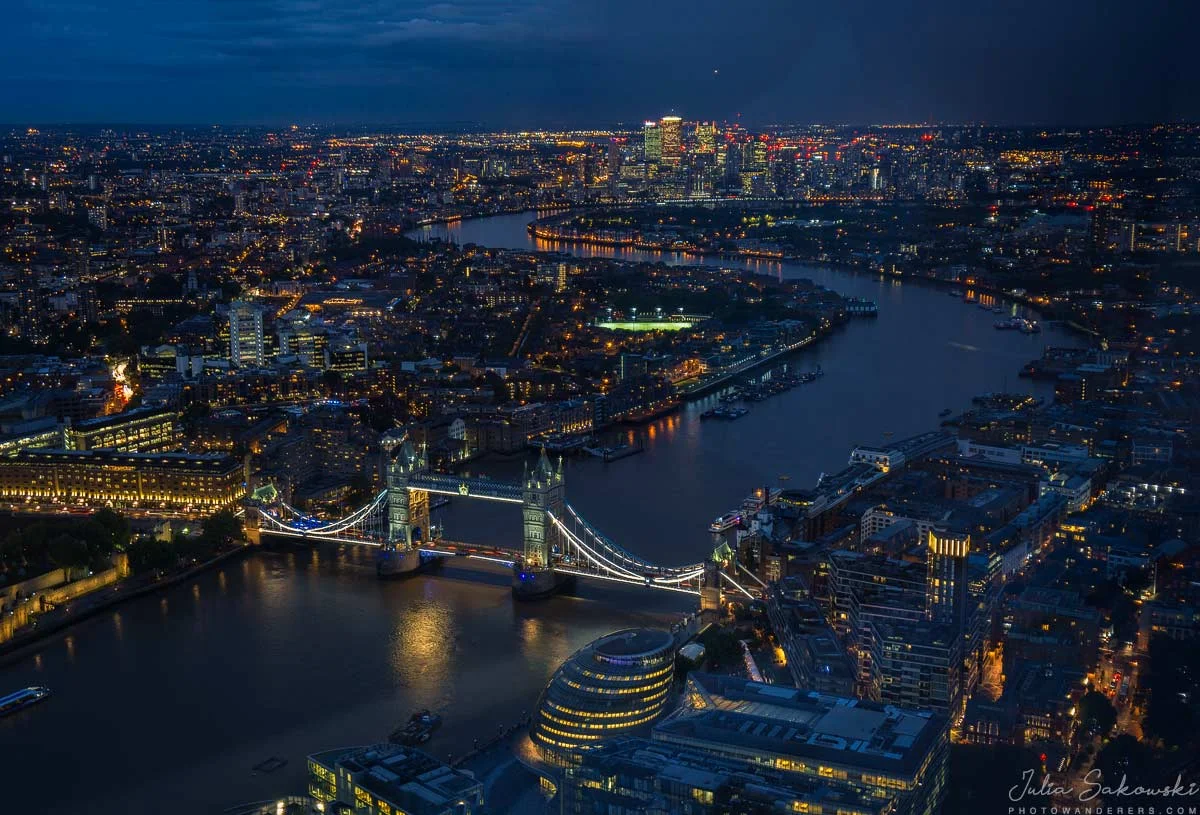
Night photography was always the hardest — and somehow the most rewarding. Some nights meant standing outside in freezing wind with camera gear everywhere and the dog wondering why we were awake at all. Other nights meant perching at the top of the Shard near midnight, watching London lights stretch endlessly toward the horizon.
Sunrise sounds peaceful. In practice, it means waking in complete darkness, driving to somewhere remote, and hoping the weather cooperates. Some mornings opened into extraordinary light that lasted twelve minutes. Others stayed flat and grey.
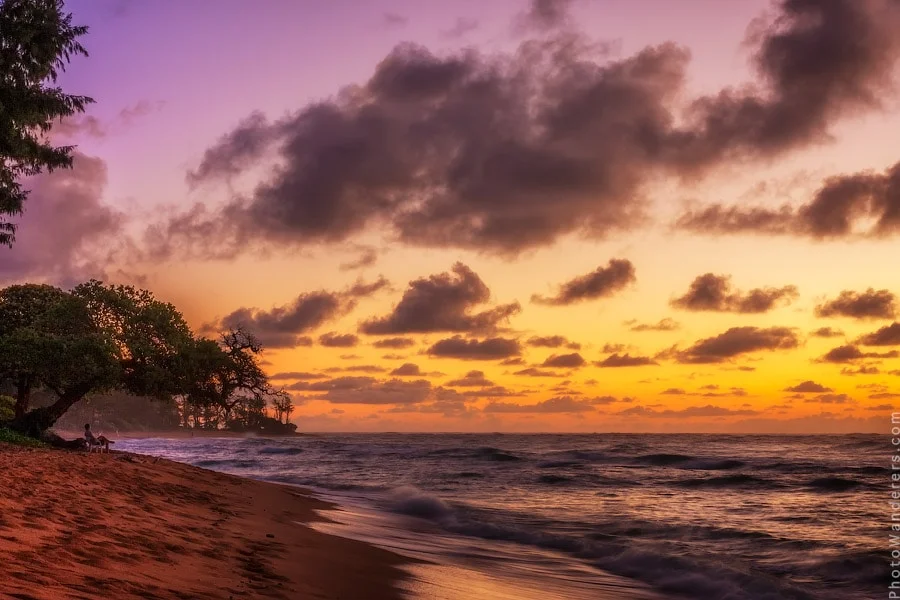
The road between places held some of our best photographs. Empty highways, gas stations at dusk, forgotten towns, long straight roads with mountains at the end.
Our favorite photographs are rarely technically perfect.
But we kept them all. The imperfect ones are often the most honest.
Looking Back, Looking Ahead
We're not done. There are still roads we want to drive, deserts we want to photograph at night, quiet towns we haven't found yet.
The list gets longer every year.
The calendar argument, though — that one happens every November, on schedule, without fail.
All photographs by Alex & Julia, taken over ten years of road trips across the American West, Europe, and beyond.
Comments
Leave a comment