
England Was Never Going to Fit Into Ten Days
Castles, wartime bunkers, fairy tale villages, and one rental Mercedes racing through the countryside. Ten days was nowhere near enough.
I made a list. That was my first mistake.
"Ten days in London," I thought — sensible, manageable, civilized. Then I wanted to see the Cotswolds. Fine, just a day trip. But Highclere Castle was nearby — the real Downton Abbey, open to the public — so that went on the list too. Then Alex pointed out that Highclere is practically next door to Bletchley Park, where the Nazis' Enigma code was cracked. Obviously, we had to go. And then there was the Tower of London, the British Museum, Greenwich, the Churchill War Rooms, The Shard...
This was no longer an itinerary. It was a lifetime of travel wearing a ten-day disguise.
We did what we could. England, it turns out, rewards ambition.
1. Downton Abbey — Visiting Lord and Lady Carnarvon
Highclere Castle, Newbury
I had watched all seven seasons of Downton Abbey. Every staircase, every corridor, every dramatic entrance — I knew them by heart. So when the website announced that tickets were completely sold out for the year, I briefly considered climbing through the fence and explaining myself to a local constable afterward.
Instead, we arrived at dawn, hoping to beat the tour buses and buy tickets at the gate. A narrow country road curved through rolling green hills dotted with sheep — inexplicably, my favorite animal — and then, suddenly, the towers appeared above the trees.
Downton Abbey was real.
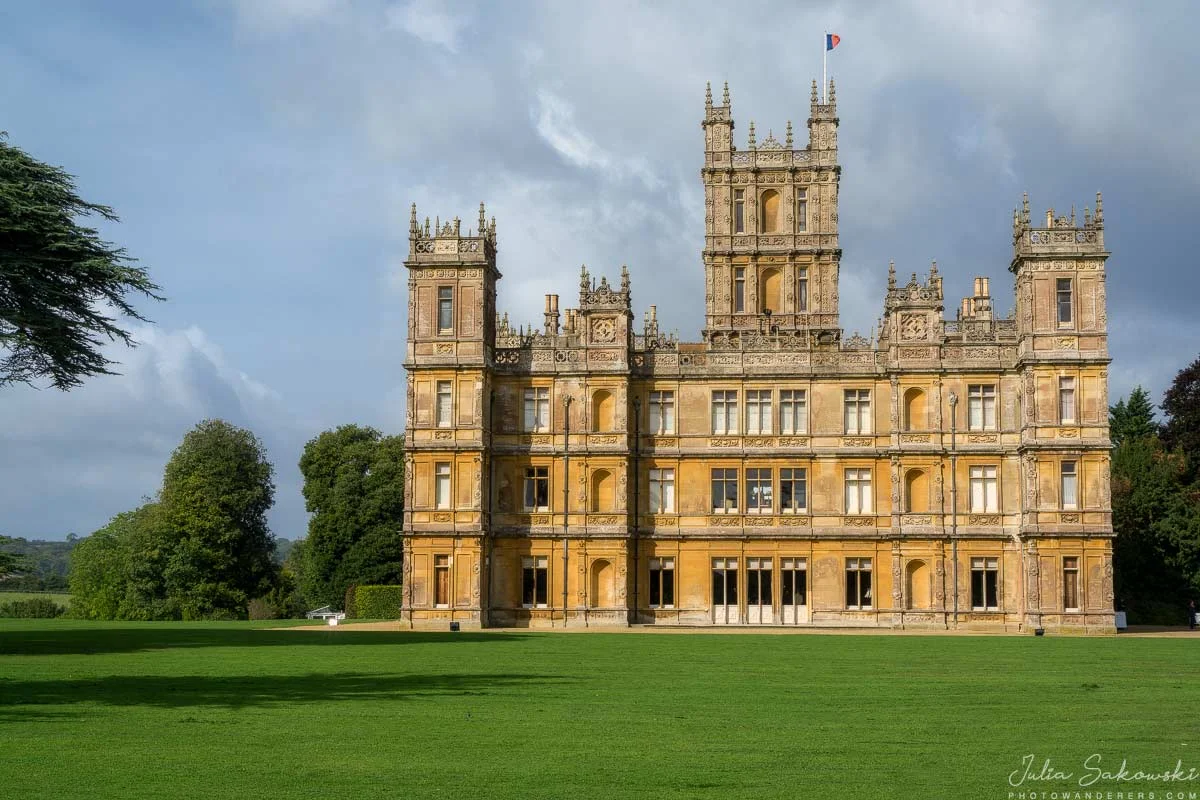
There were plenty of tickets. I may have nearly cried from relief.
Inside, the castle felt strangely familiar, like visiting old friends. “That’s Lord Grantham’s desk. That’s the gallery where they carried poor Mr. Pamuk.”
The famous downstairs servants’ quarters don’t actually exist here — those scenes were filmed in a London studio. Instead, the basement holds an extraordinary Egyptian collection belonging to the Fifth Earl of Carnarvon, the aristocrat who financed Howard Carter’s discovery of Tutankhamun’s tomb in 1922.
A castle full of surprises.
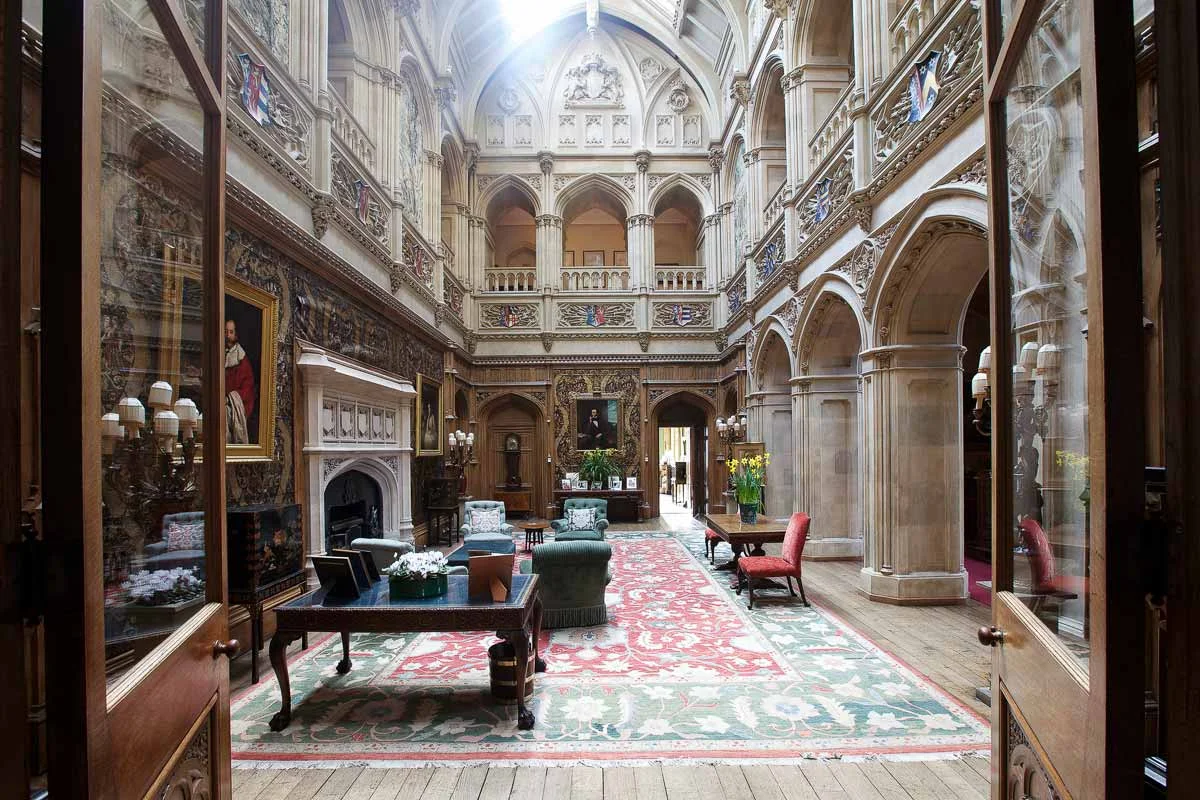
After lunch, Alex practically dragged me back to the car.
I would have stayed another two weeks.
2. Bletchley Park — The Birthplace of Modern Computing
Milton Keynes
Fans of Benedict Cumberbatch probably already know Alan Turing. The mathematician who helped crack the Nazi Enigma code during World War II — and may have shortened the war by years.
We arrived an hour before closing and rushed straight to Hut 8, Turing’s actual office.
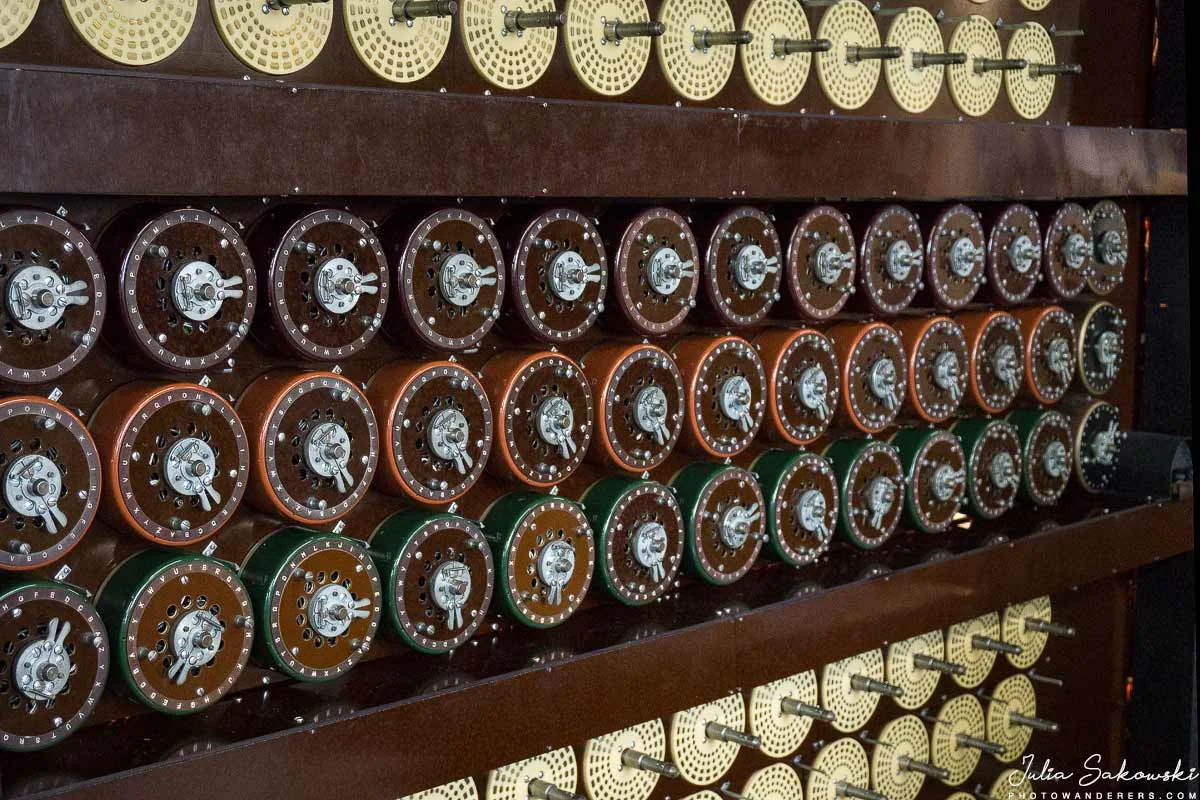
Inside Block B, a reconstruction of the Bombe machine hummed and clicked beside an original Enigma machine, which looked deceptively ordinary — almost like a typewriter.
Every key press changed the machine again. The same word encrypted twice would never look the same. Breaking a single message meant searching through more than a million possible combinations before the Germans reset everything the next day.
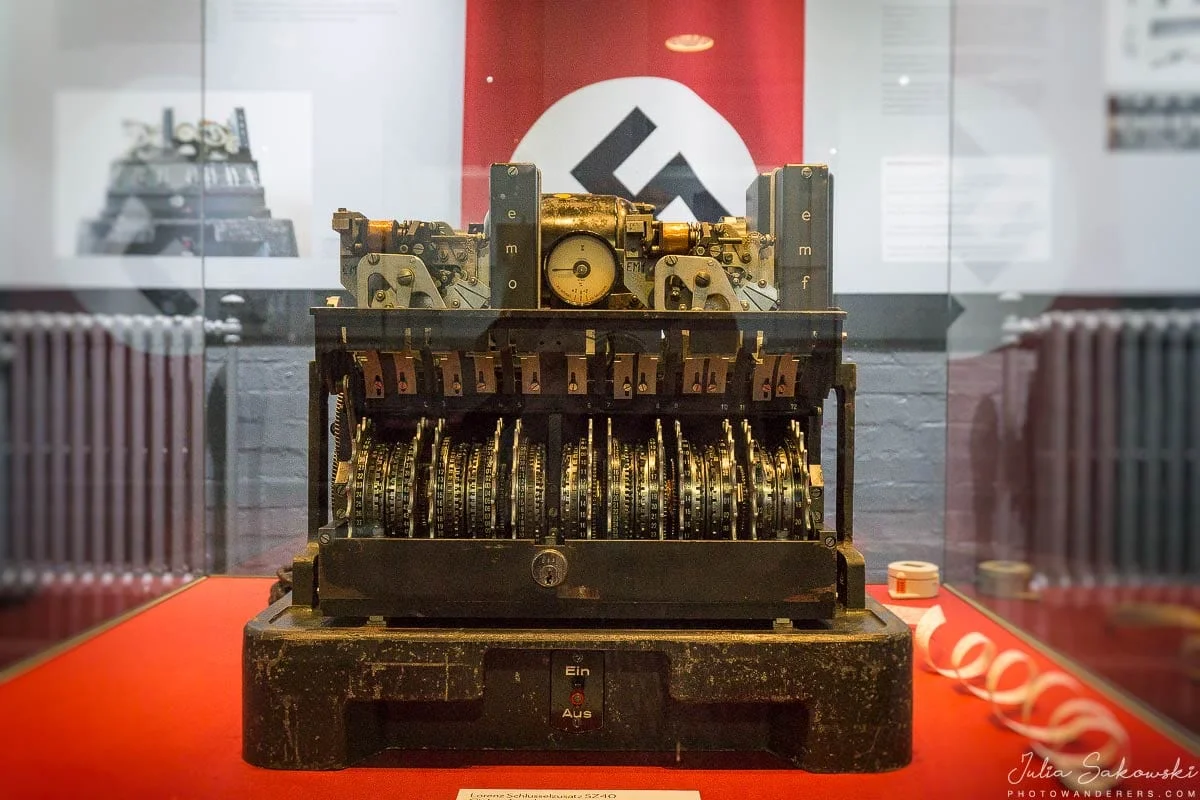
Standing there, the story stopped feeling abstract. It became intensely human: exhausted mathematicians racing against time, searching for patterns hidden inside chaos.
The breakthrough came with the Bombe — an electromechanical machine designed to eliminate impossible Enigma settings at extraordinary speed. What once took humans days of manual work could suddenly be done fast enough to keep up with the constantly changing German codes.
Watching the spinning rotors and clicking mechanisms, it became easy to see why Bletchley Park is often called the birthplace of modern computing. The machines built here were not computers in the modern sense yet, but they were the beginning of a world that would eventually lead to them.
3. Walking Through the Layers of London
From Charing Cross to London Bridge
London reveals itself on foot, not from a bus window.
We wandered from Charing Cross along the Strand, searching for buildings that survived the Great Fire of 1666, then disappeared into narrow lanes lined with hidden courtyards and centuries-old brick facades.
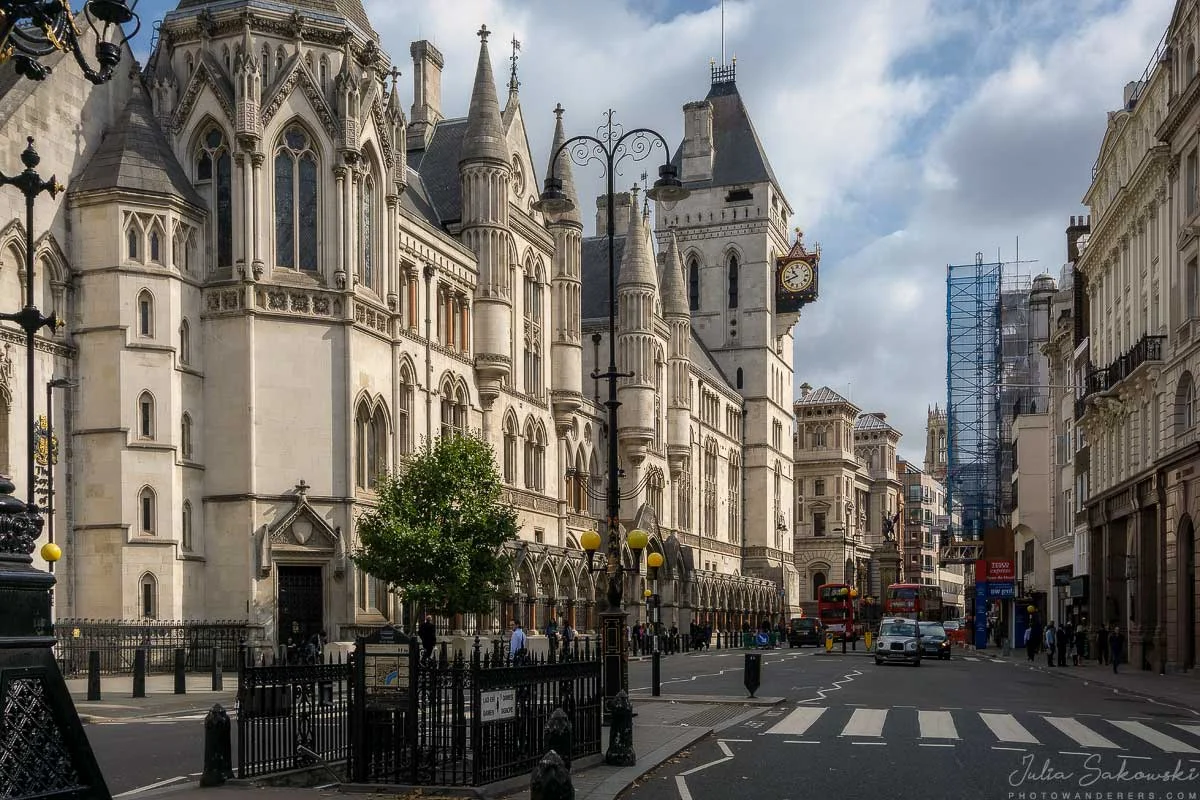
The city kept shifting beneath our feet — one street belongs to Dickens, the next to glass skyscrapers and financial towers.
Eventually, we emerged in front of St. Paul’s Cathedral.
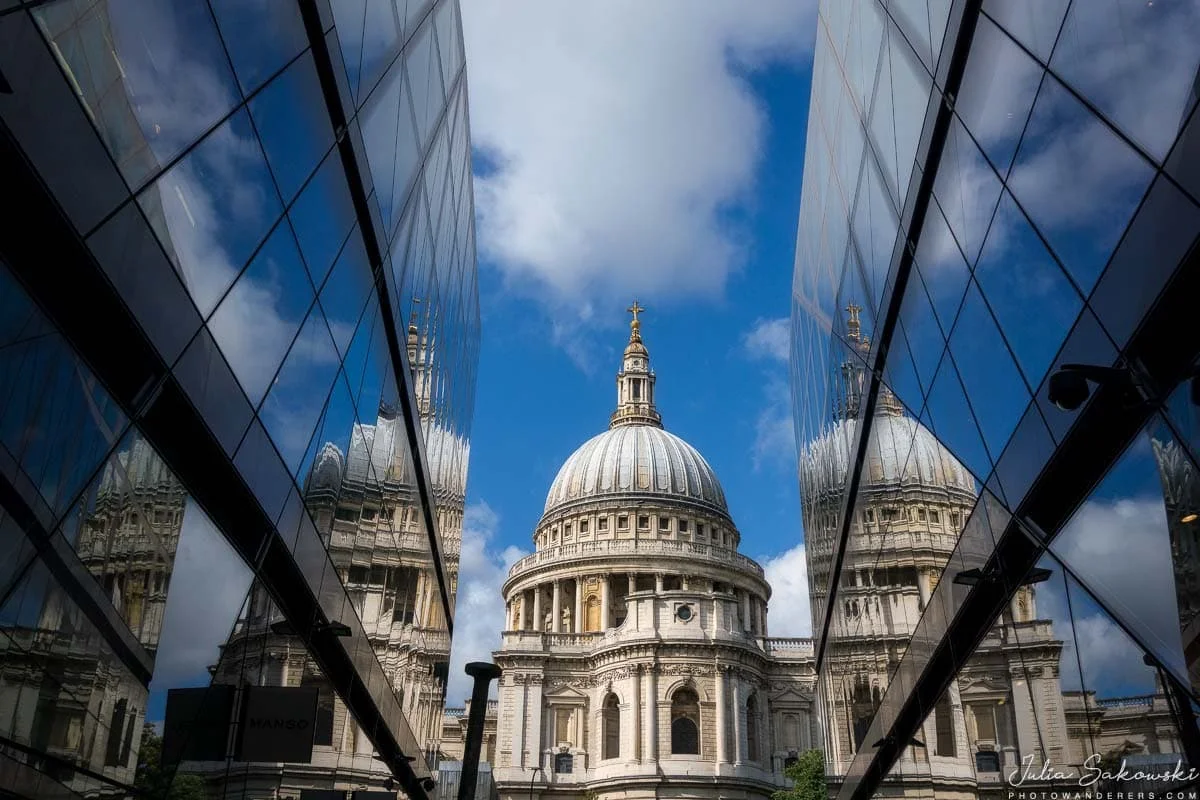
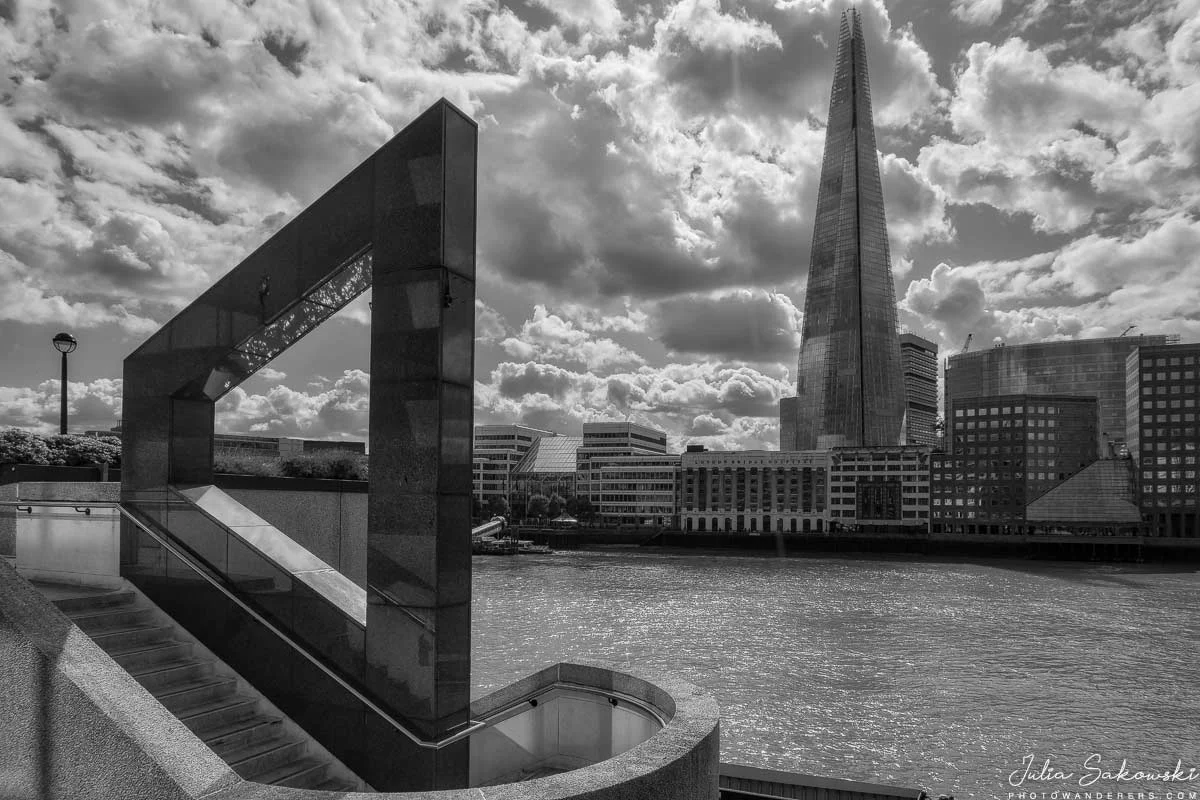
We saved the interior for another day and continued toward Cheapside and Bank Junction, where Shakespeare’s London gradually gives way to the modern financial district. A few more turns and we reached London Bridge — the place where Roman soldiers once marked the boundaries of Londinium.
Two thousand years later, the city still feels unfinished, still growing, still pulling people in from everywhere.
4. Afternoon Tea in Parliament
Westminster
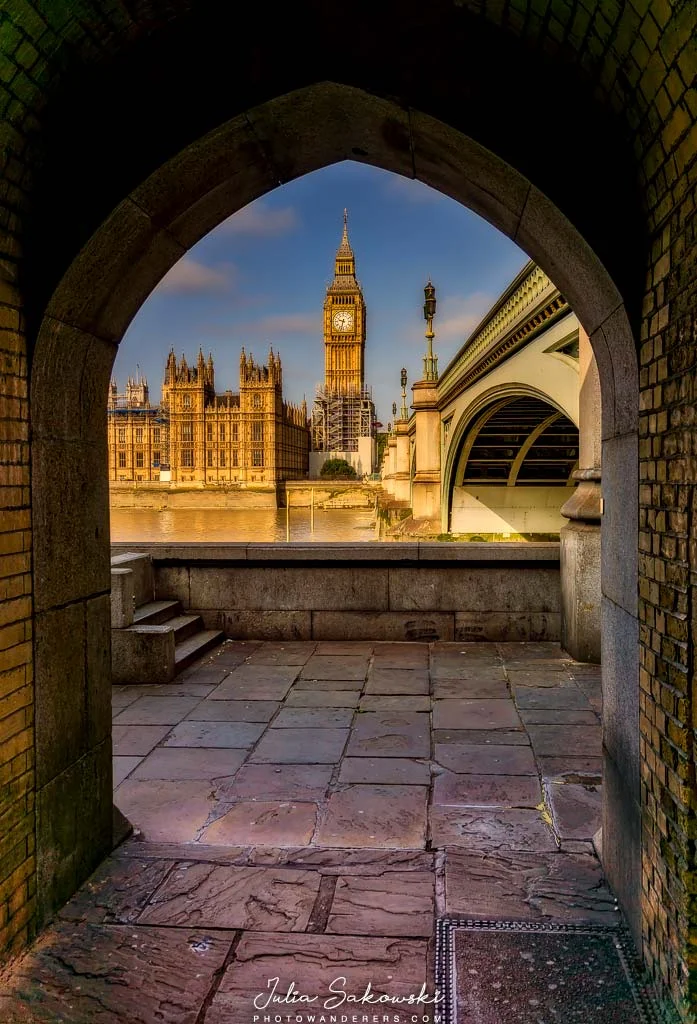
Look closely at the towers of the Houses of Parliament. Then look back at Highclere Castle. Notice the resemblance?
The same architect — Sir Charles Barry — designed both buildings. England is full of these strange little connections.
Officially, Parliament is still called the Palace of Westminster, although the royal court abandoned it centuries ago. We walked through vaulted Gothic corridors lined with carved wood, portraits, and statues, listening to stories about monarchs, scandals, reforms, and centuries of political theater.
In the House of Commons, Alex attempted to sit on one of the famous green leather benches before being stopped immediately by the guide. Only Members of Parliament are allowed to sit there.
Alex seemed personally offended by this centuries-old constitutional arrangement.
Afterward, we had afternoon tea overlooking the Thames: loose-leaf tea, finger sandwiches, scones, pastries, and a waitress kind enough to bring Alex extra desserts.
Some traditions deserve to survive.
5. Churchill’s Underground City
I had a plan for the Churchill War Rooms.
Alex would spend hours carefully studying every exhibit, while I would find the café, order tea, and behave like a civilized person.
That plan lasted about four minutes.
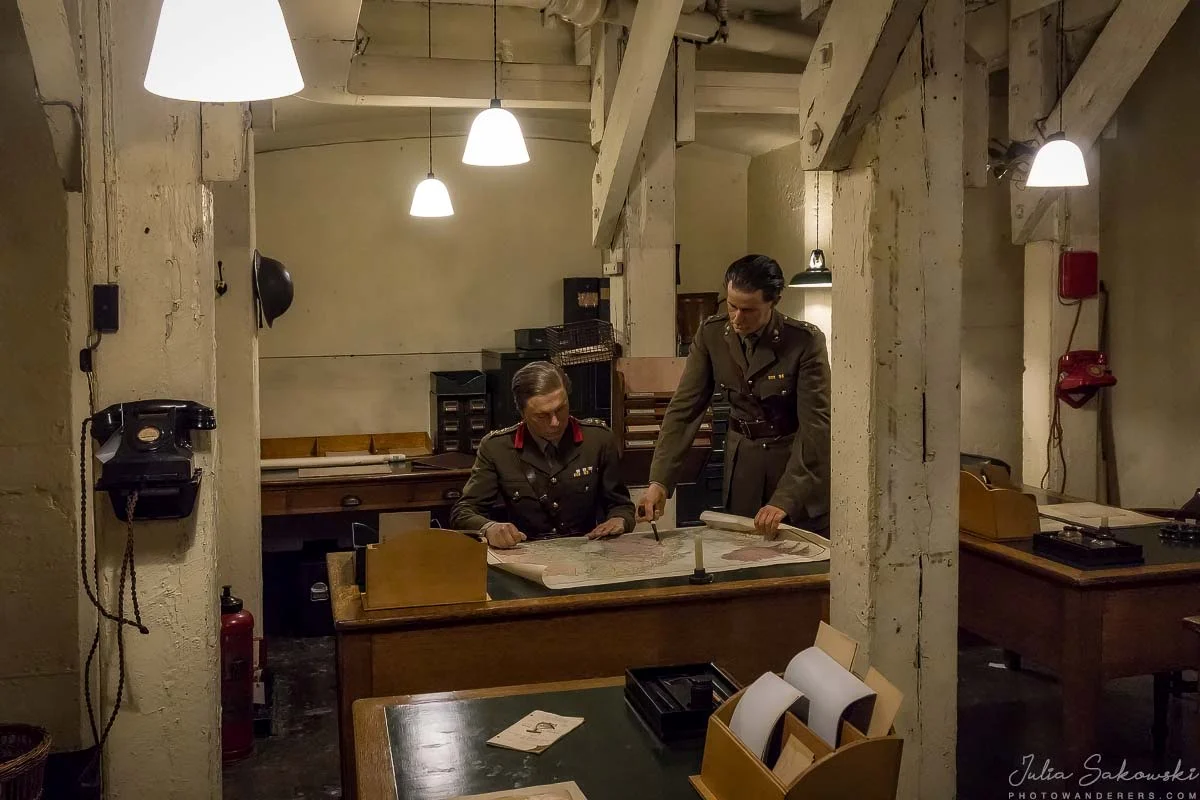
Hidden beneath Westminster, this underground labyrinth of narrow corridors and tiny offices became the center of Britain’s war effort during the Second World War.
Churchill worked here. Slept here. Made impossible decisions here.
The rooms are small, dim, and claustrophobic — yet somehow still full of energy, as though the people who worked there had only just stepped outside.
6. The Cotswolds — England’s Fairy Tale Villages
Gloucestershire
After days of London intensity, we wanted a different England — quieter, slower, softer around the edges.
The plan seemed simple: train to Moreton-on-Marsh, join a small bus tour, and spend the day drifting through Cotswold villages without the stress of driving narrow country roads on the wrong side.
It collapsed immediately.
The first train was canceled because of a missing crew member. The next ones, too. Apparently, someone had dismantled the tracks somewhere along the route.
Alex looked at me with the expression of a man realizing exactly how his day was about to unfold.
Twenty minutes later, a rental Mercedes was racing through the English countryside in pursuit of a tour bus.
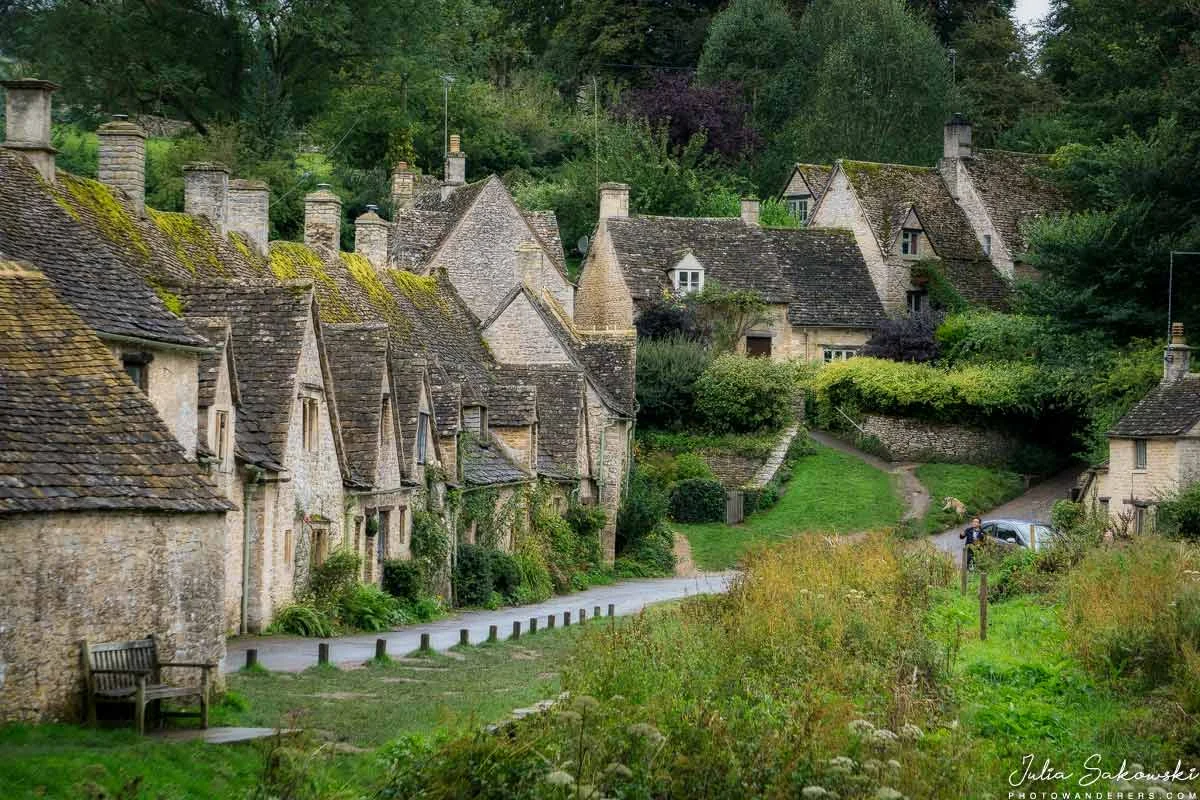
We finally caught the tour in Snowshill, a tiny village surrounded by sheep, stone cottages, and green hills. Naturally, it also turned out to be a filming location for Bridget Jones’s Diary.
The villages themselves looked almost unreal. Honey-colored cottages covered in roses. Tiny pubs. Cobbled lanes. Antique shops. Names that sounded as though Tolkien invented them after too much tea.
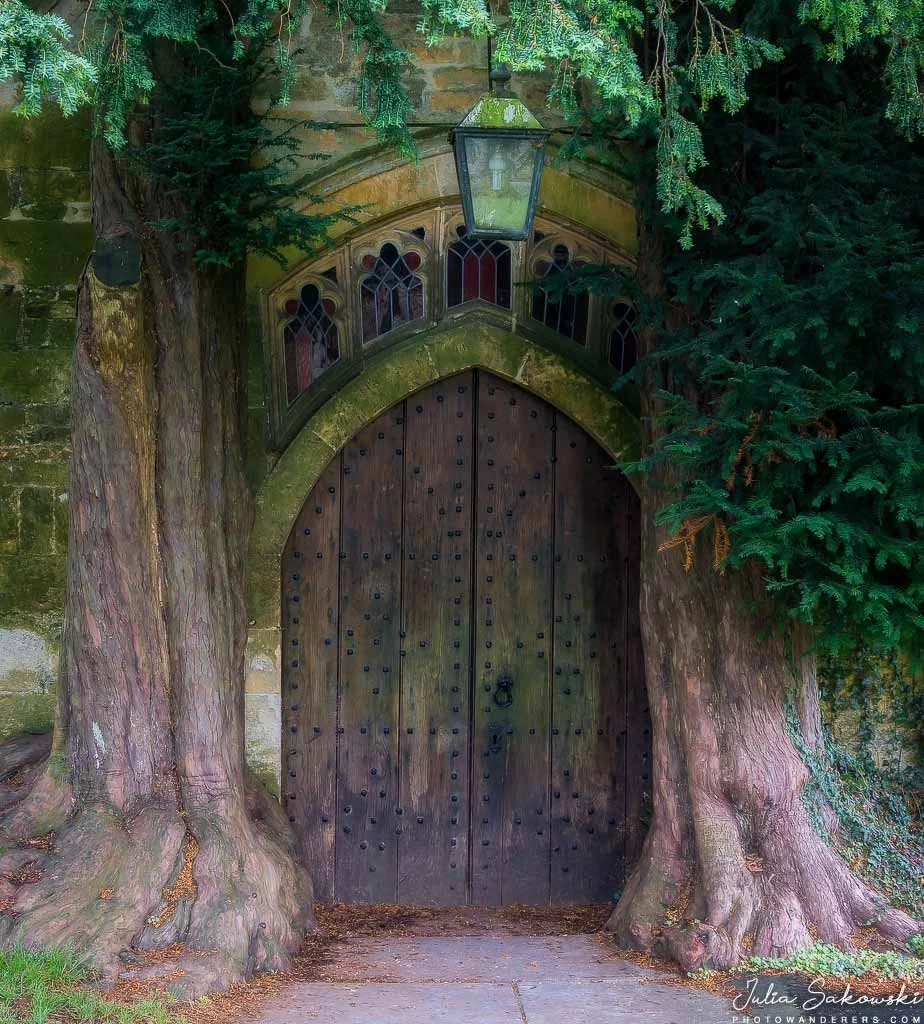
Legend says Tolkien found inspiration for the Gates of Moria in the ancient doorway of a medieval church in Stow-on-the-Wold.
Honestly, I believe it.
When the tour finally ended, we drove to one last village we had missed earlier: Chipping Campden.
By then, it was late afternoon. The tour buses had already left, the crowds were disappearing, and the village suddenly felt completely different — quiet, almost theatrical, as though we had wandered onto the set of an old English film or into the pages of an Agatha Christie novel.
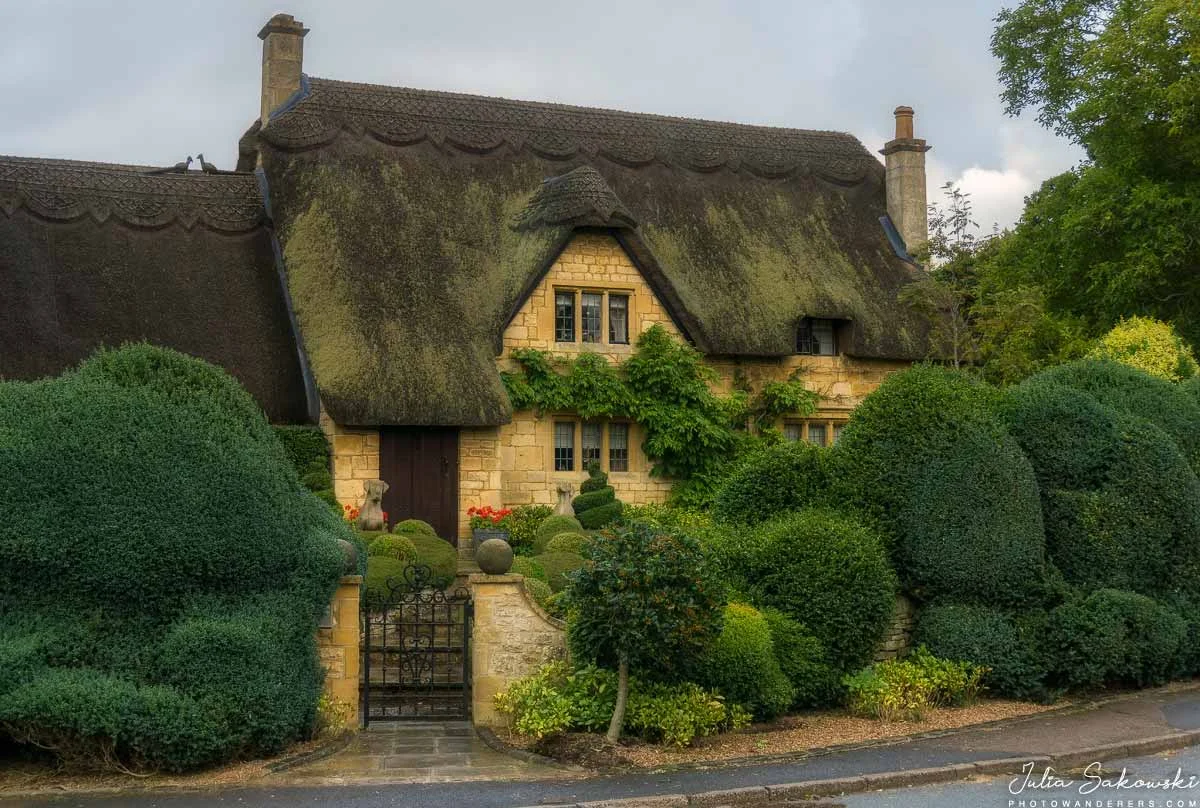
Locals slowly emerged onto the streets. Someone carried flowers home. A couple disappeared into a pub. Lights began glowing behind stone windows as evening settled over the village.
For the first time that day, the Cotswolds stopped feeling like a destination and started feeling real.
That was the moment I truly fell in love with the English countryside.
7. The Tower of London — Treasure and Tragedy
Tower Hill
On a bright sunny day, the Tower of London almost looks cheerful.
Almost.
Then a Beefeater begins telling stories about executions, vanished princes, betrayals, and impossible escapes, and the mood changes very quickly.
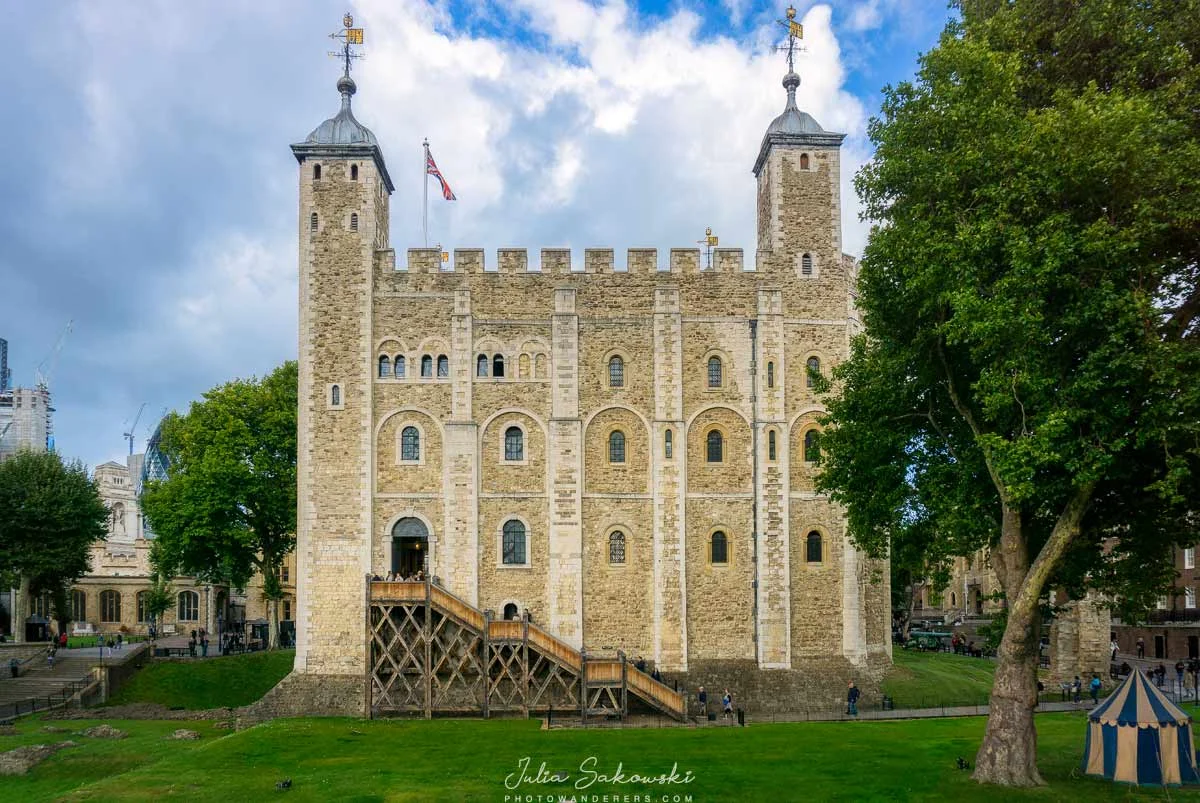
The Yeoman Warders themselves are fascinating. To become one, you must serve more than twenty years in the British military with an impeccable record. Your reward includes a residence inside the Tower walls and, apparently, unlimited opportunities to terrify tourists with historical details.
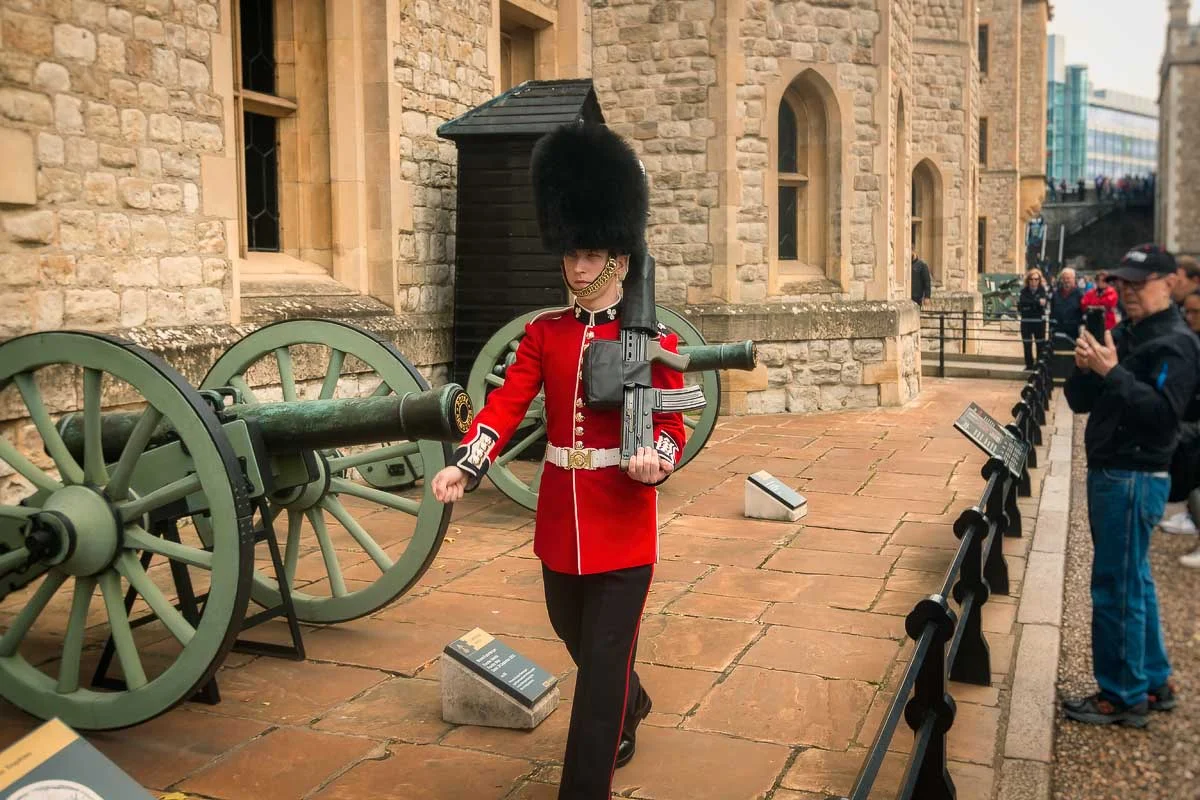
The Crown Jewels are stored here too, behind steel and glass. A moving walkway sweeps visitors past crowns and scepters covered in diamonds so enormous they barely look real.
Before this trip, I had no idea what a 500-carat diamond looked like.
Now I do.
8. Down the Thames to Greenwich
Greenwich
We chose the most scenic route to Greenwich: a riverboat down the Thames.
The captain narrated the entire journey. “Look left. Look right.” Seen from the Thames, London felt like a different city altogether — slower, grander, and somehow more cinematic.
Greenwich feels calmer than central London, but no less grand. We wandered through the Old Royal Naval College, visited the Queen’s House, and climbed the famous Tulip Staircase, where a ghostly figure was supposedly photographed in 1966.
It was completely empty when we arrived.
Probably fine.
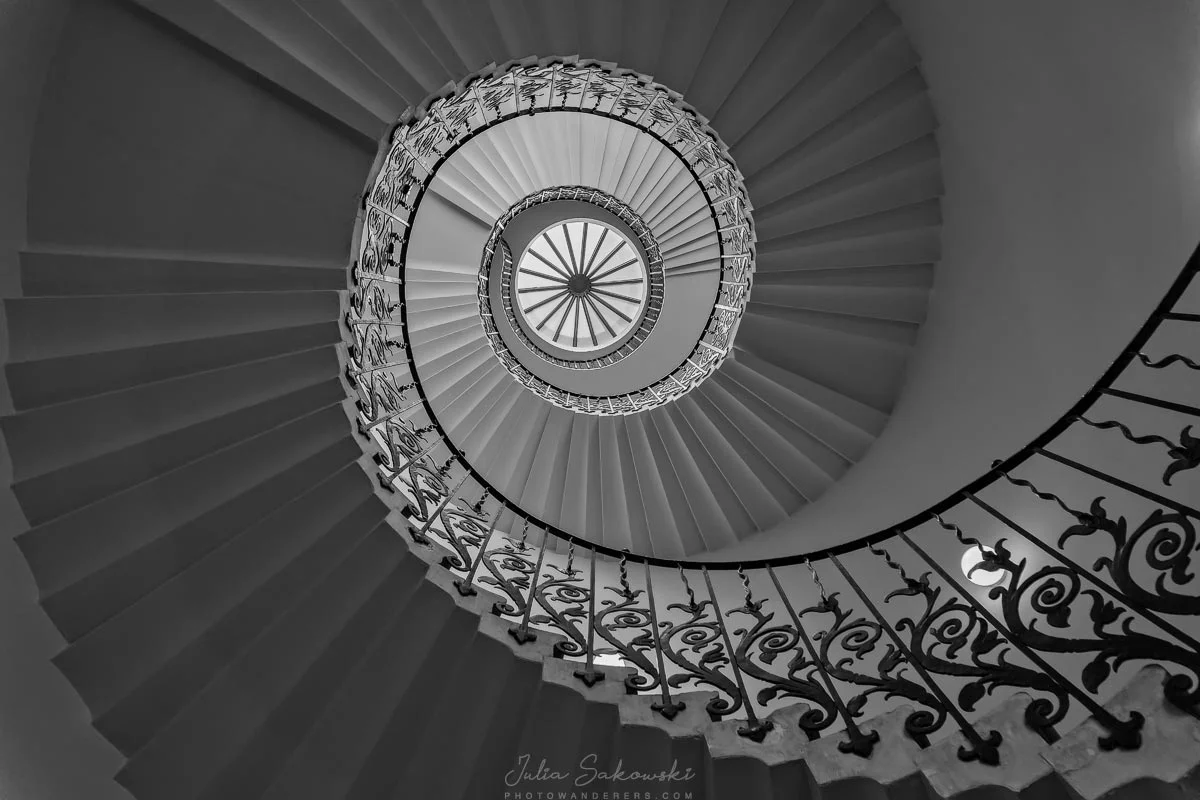
We climbed the hill to the Royal Observatory, where the Prime Meridian divides east from west. Inside, I finally understood something that had never quite made sense before — why sailors needed accurate clocks to navigate. Longitude is a time problem — to know where you are east or west, you need to know the time difference between your position and home. No clock, no position. Somehow, nobody had ever explained it to me that way before.
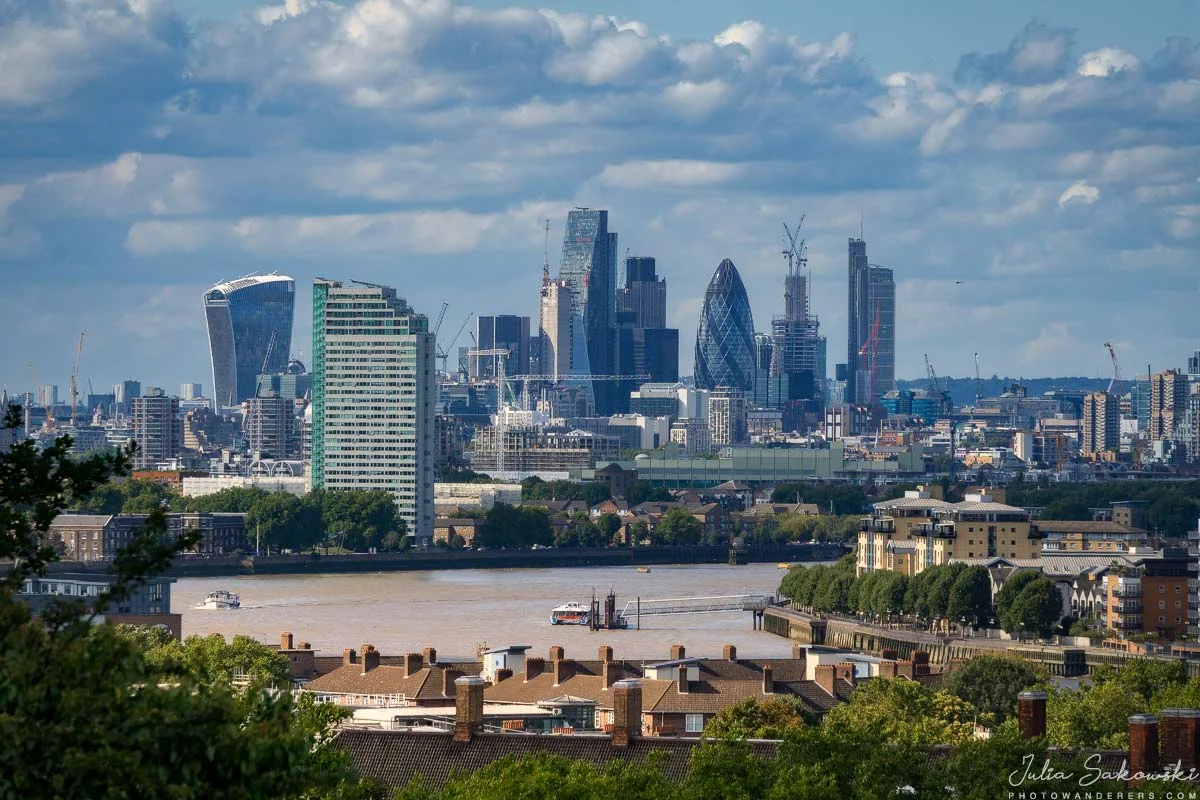
Outside, tourists lined up for photos with one foot in each hemisphere while the city shimmered in the distance below.
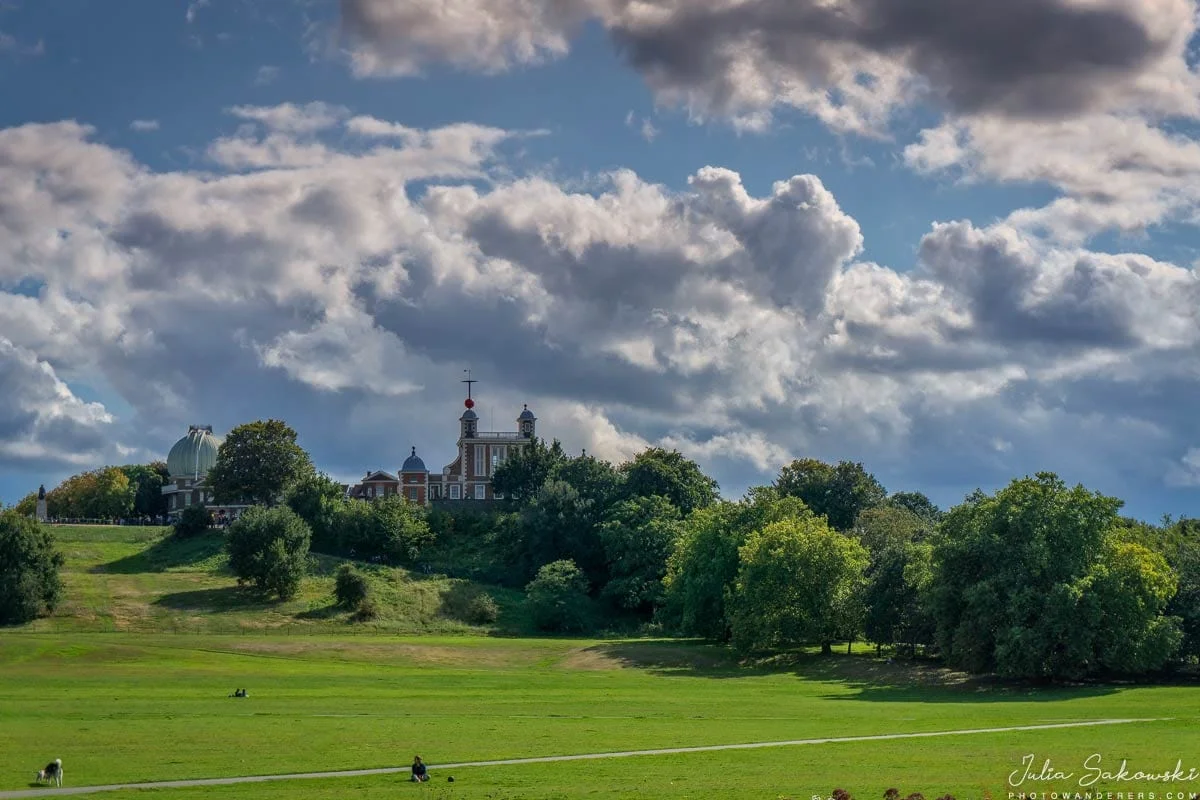
From the terrace, London looked enormous and oddly still.
9. The British Museum — The Whole World Under One Roof
Bloomsbury
I still don’t know how to describe the British Museum properly.
You could spend months there and barely scratch the surface. We had one day.
Alex voted for Egypt. I voted for Assyria. We compromised by exhausting ourselves with both — and then kept going.
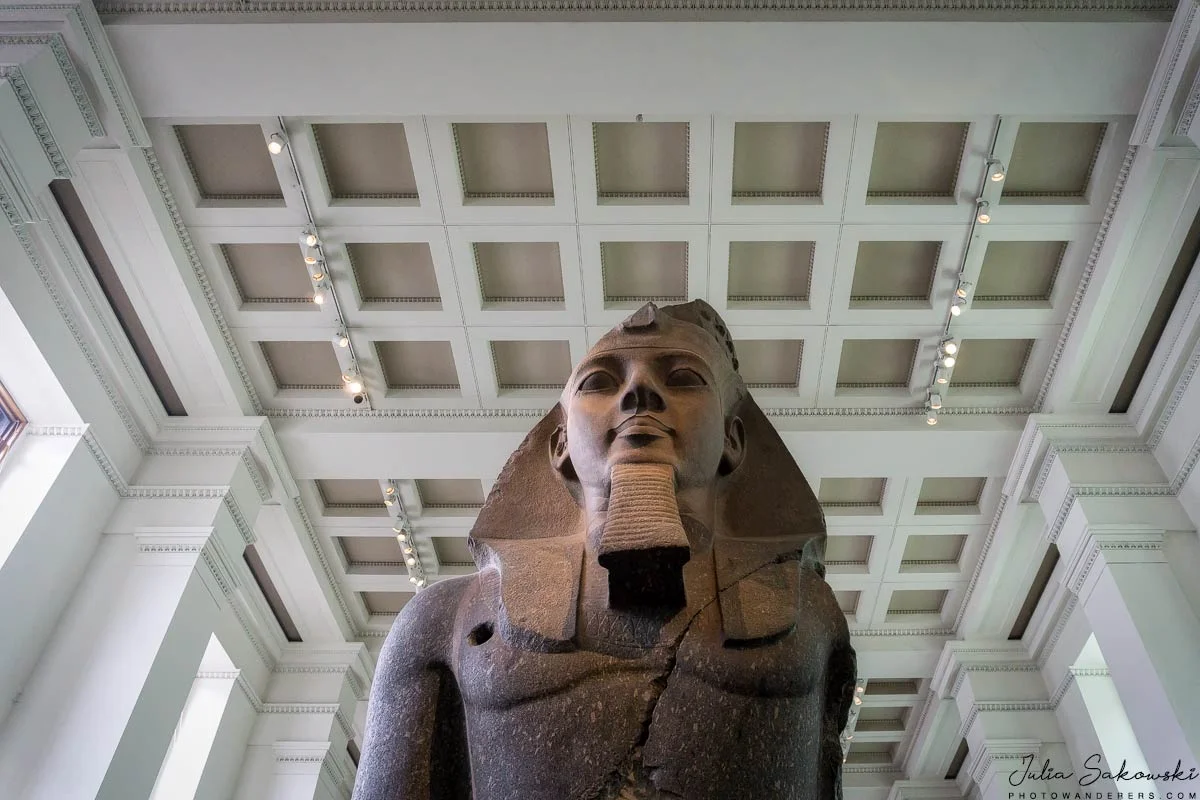
We wandered among colossal pharaohs, mummies, and ancient tombs before crossing into Nineveh, where winged lions guarded enormous Assyrian reliefs depicting royal lion hunts.
After lunch, we continued into ancient Greece and stood in front of the Parthenon sculptures. What struck me most was not their scale, but the detail. Even the backs of the statues were fully carved, despite originally facing walls where nobody would ever see them.
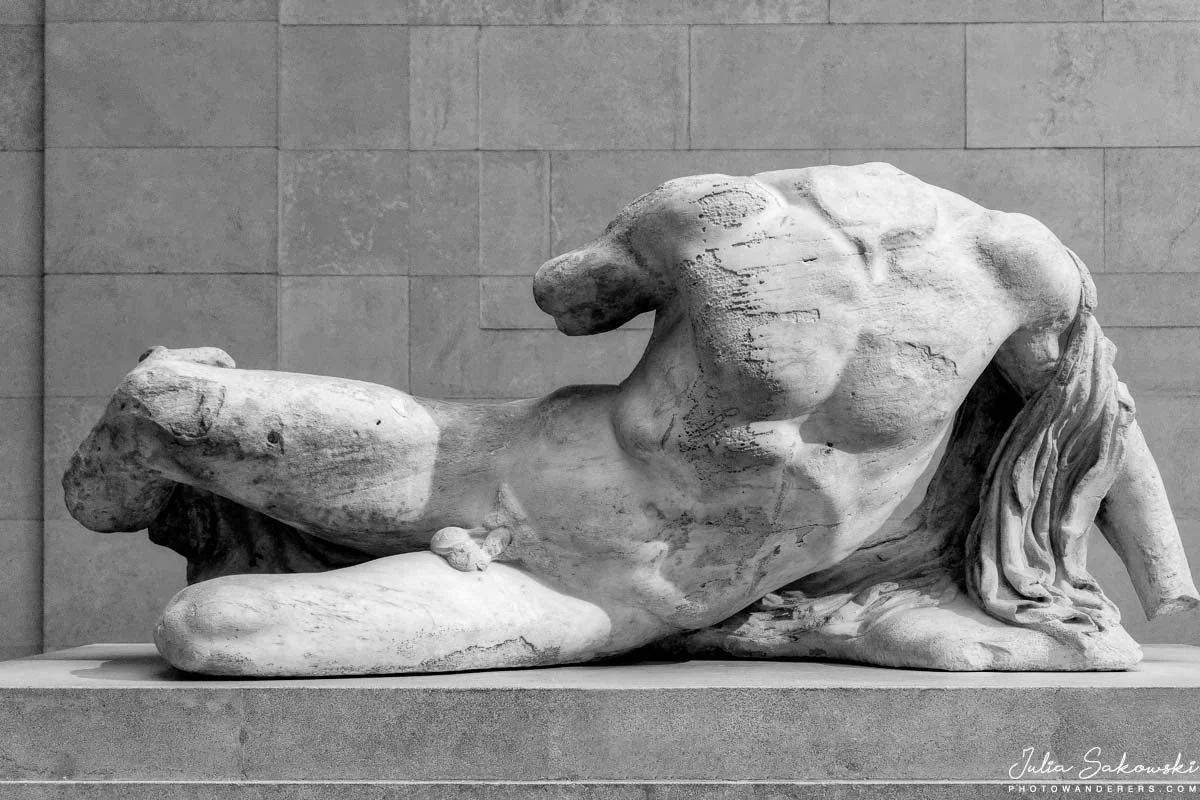
By late afternoon we were completely lost — crossing bridges, climbing staircases, chasing the museum’s “ten masterpieces” route through endless galleries.
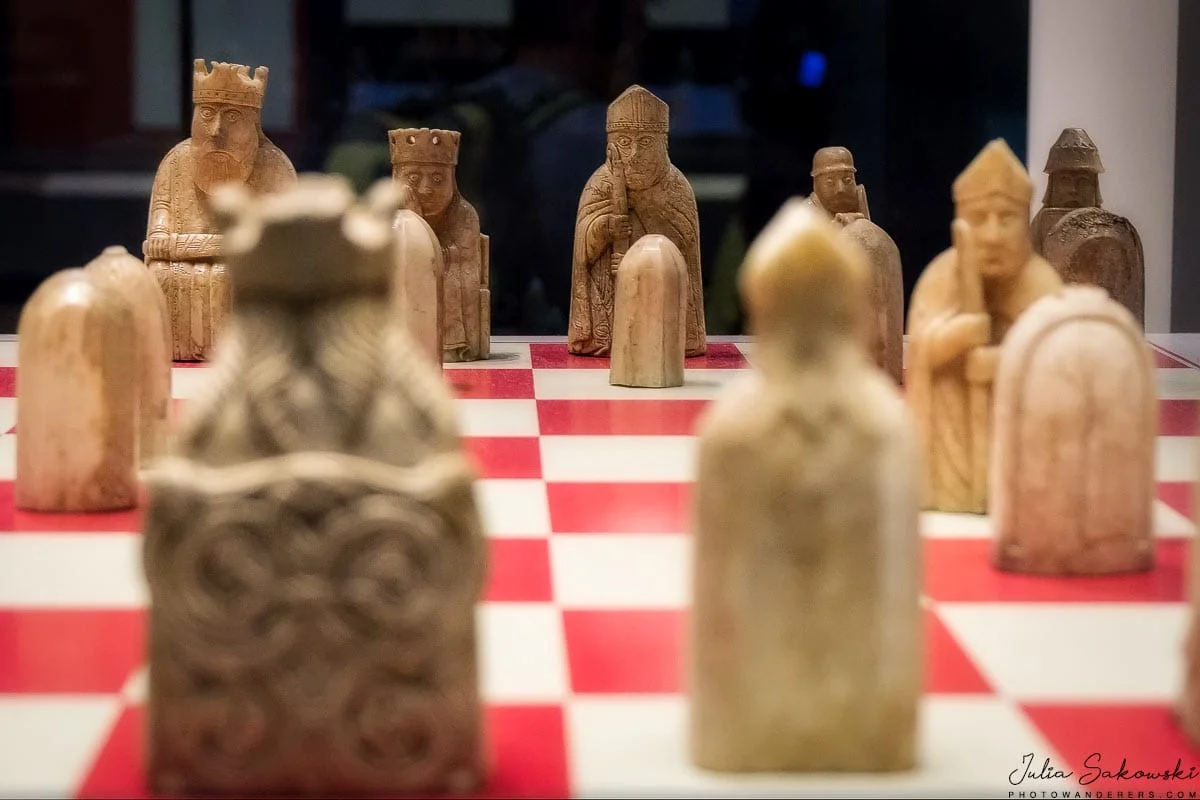
Then I stopped in front of a glass case filled with medieval chess pieces from the Isle of Lewis.
I knew I had seen them before.
The answer didn’t arrive until we were back in California:
Harry Potter and the Philosopher’s Stone.
10. London from the 72nd Floor
The Shard
I booked tickets to The Shard that allowed two visits in one day — morning and evening.
And honestly, it was an excellent idea.
Morning arrived with rain, fog, and sideways wind. On the open-air viewing platform, soaked bartenders handed cocktails to equally soaked visitors while clouds swallowed the city whole.
We lasted maybe fifteen minutes.
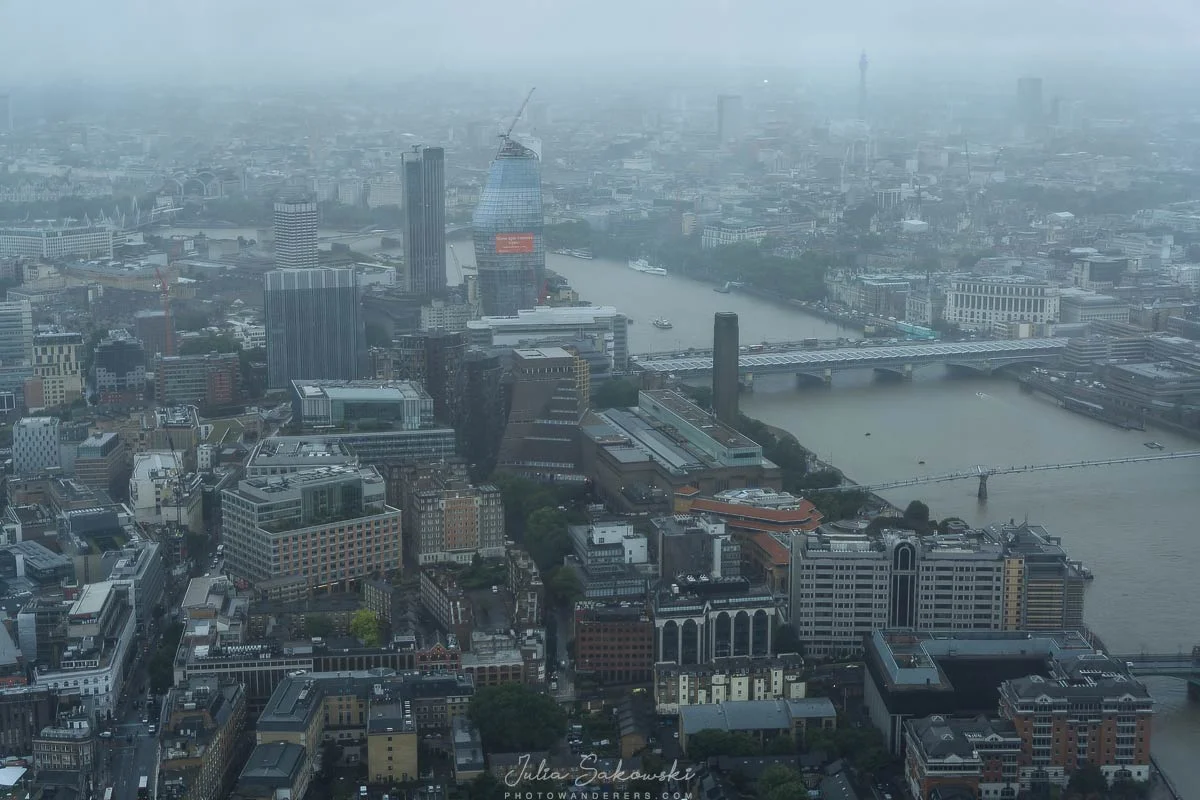
So we escaped to the National Gallery instead. Rain came and went across Trafalgar Square while tourists climbed the lions, protesters waved signs, musicians performed, and London carried on exactly as usual.
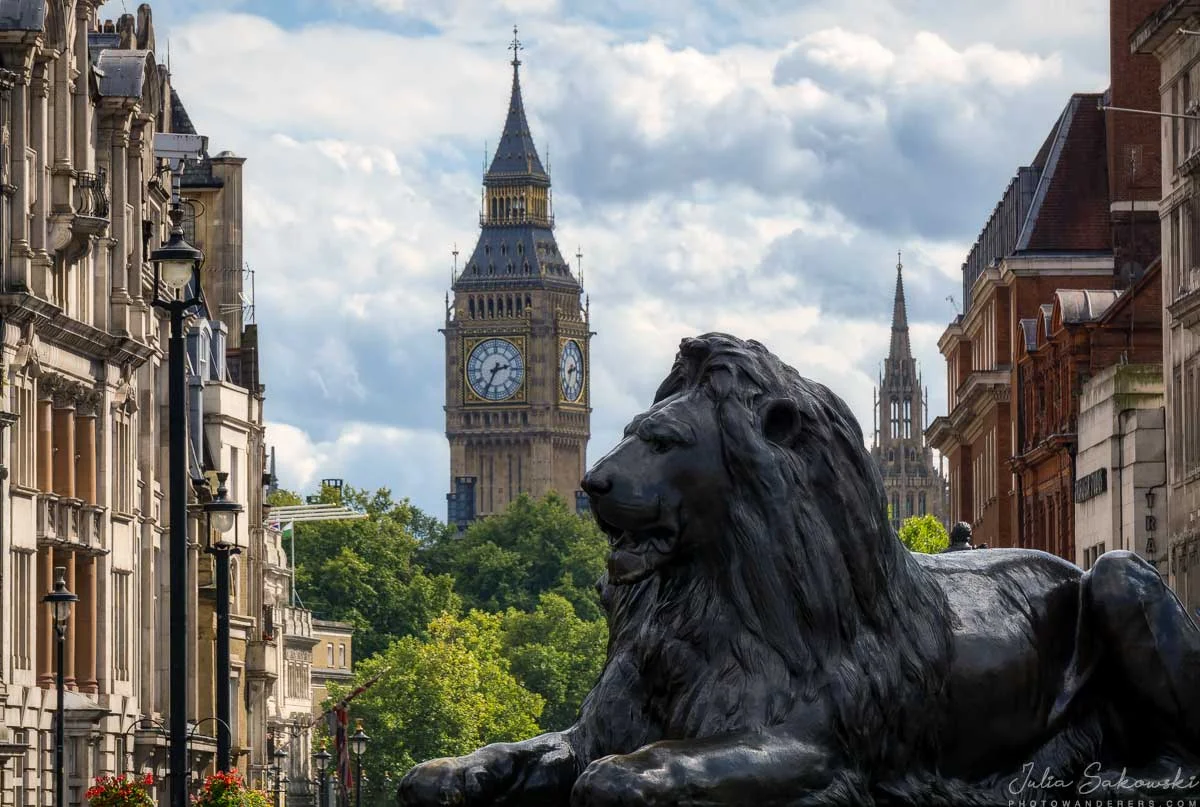
By evening, the weather finally changed.
We returned to The Shard just as the clouds began breaking apart. Sunset spilled gold across the skyline. The city slowly lit up beneath us.
At some point, I stopped taking photographs altogether.
I ordered a cocktail with an unpronounceable name and simply sat there, watching London glow below — millions of lights, millions of stories, stretching endlessly into the distance.
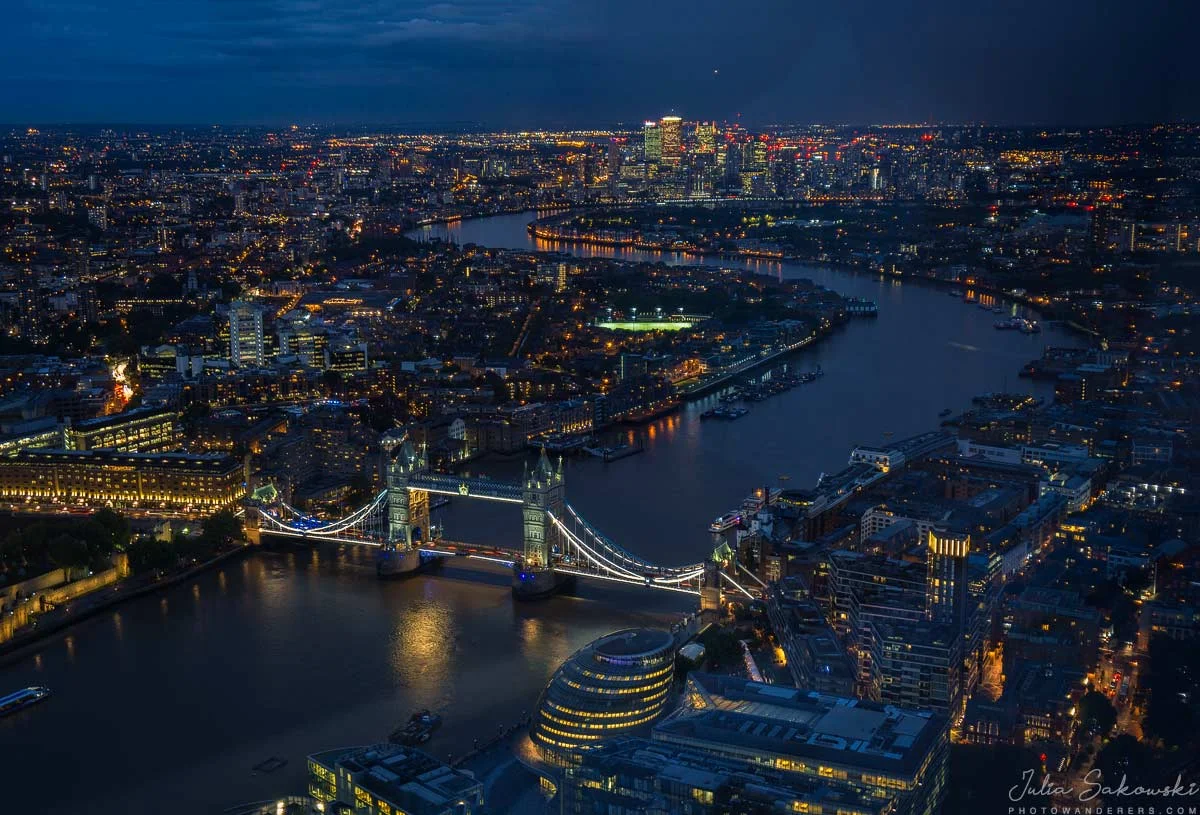
Ten days. Nowhere near enough.
Comments
Leave a comment